
Twilight over the Rising Sun
The Namazu stirs

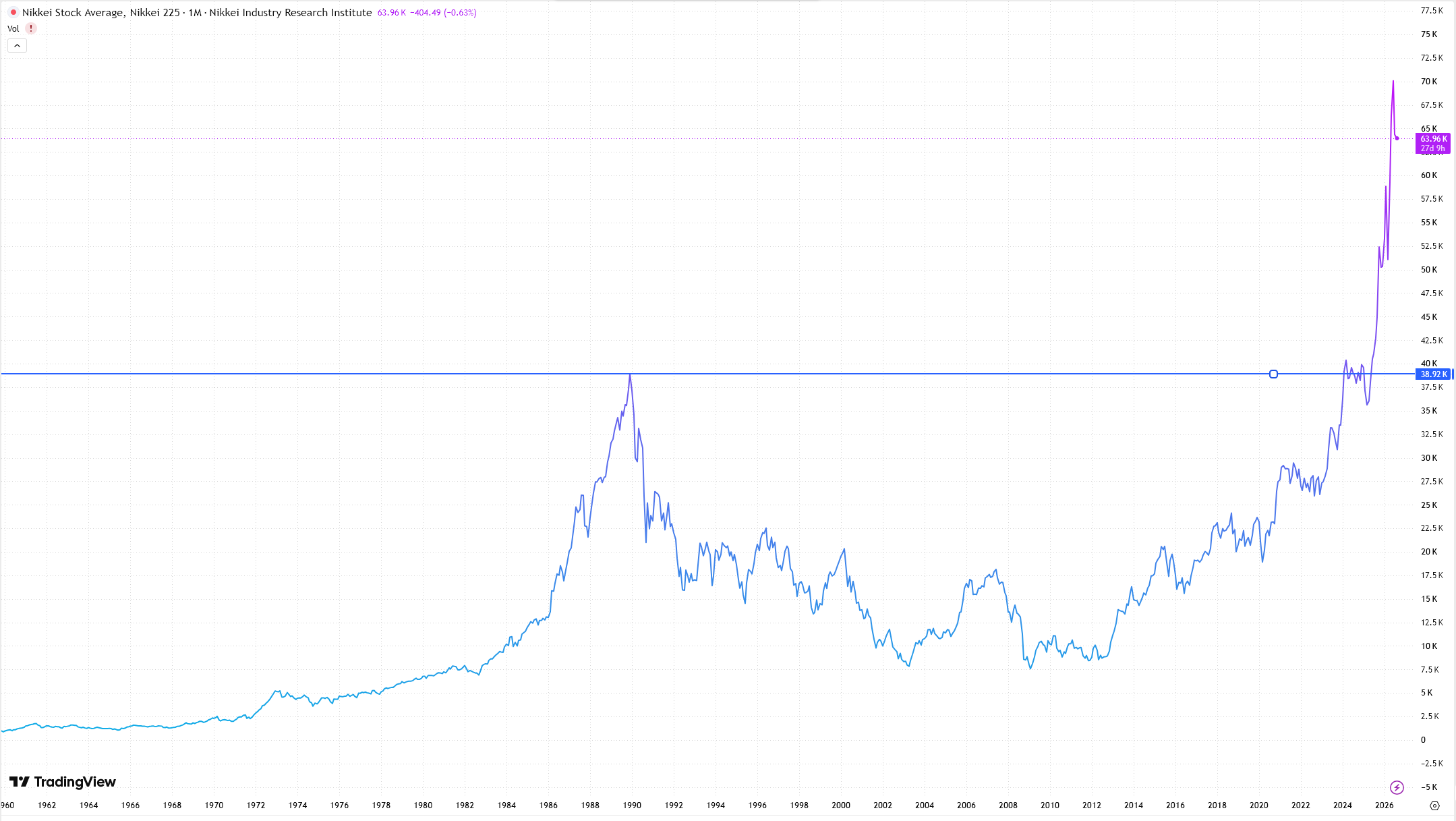
On the last trading day of 1989 the Nikkei closed at 38,915.87 and the grounds of the Imperial Palace in Tokyo were worth more than the state of California.
~3.4km² worth more than ~424,000 km². Silver is taking notes - I hope.
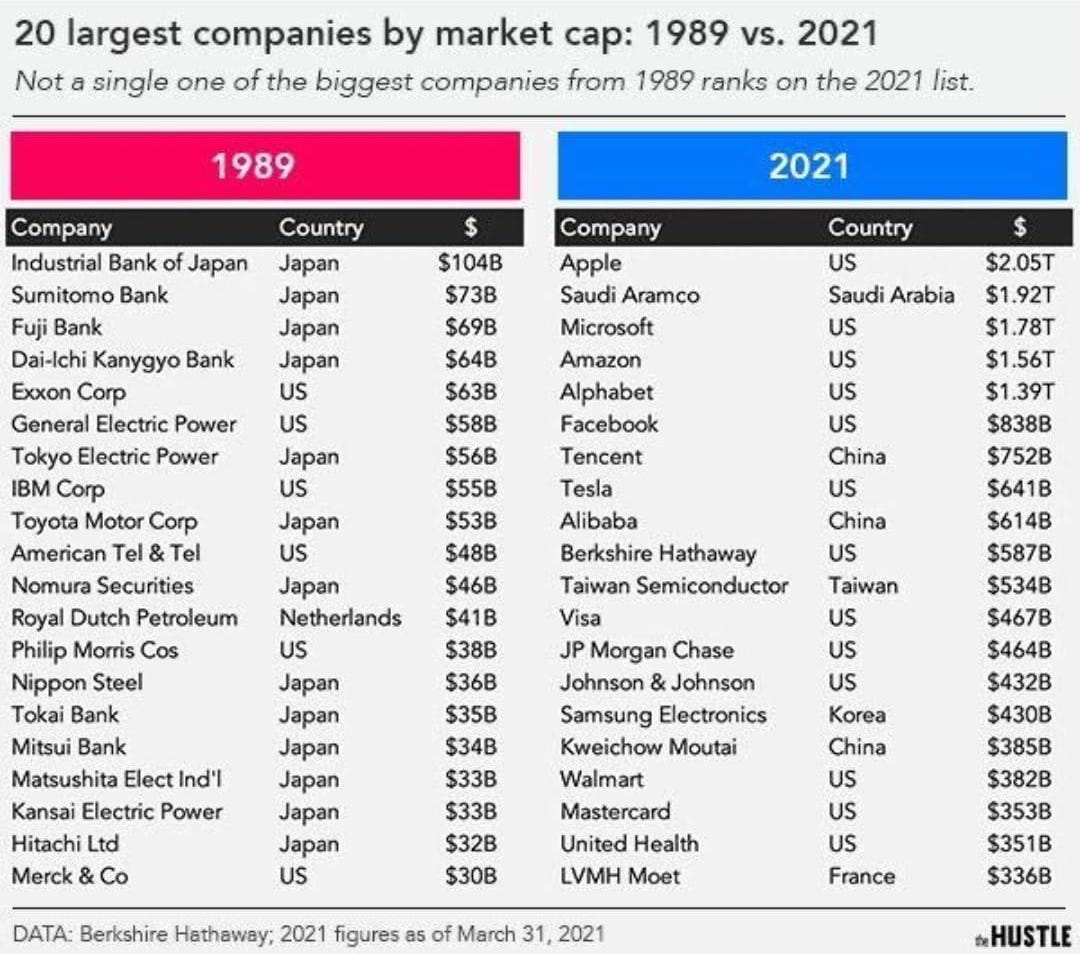
Thirteen of the world’s largest companies by market value were Japanese (7 of which banks). Tokyo’s exchange was somewhere around 42% of all equity value on earth, up from 15% in 1980. Japanese shares traded at sixty times earnings while the S&P sat at fifteen, and MIT economists were writing that the next century belonged to Tokyo.
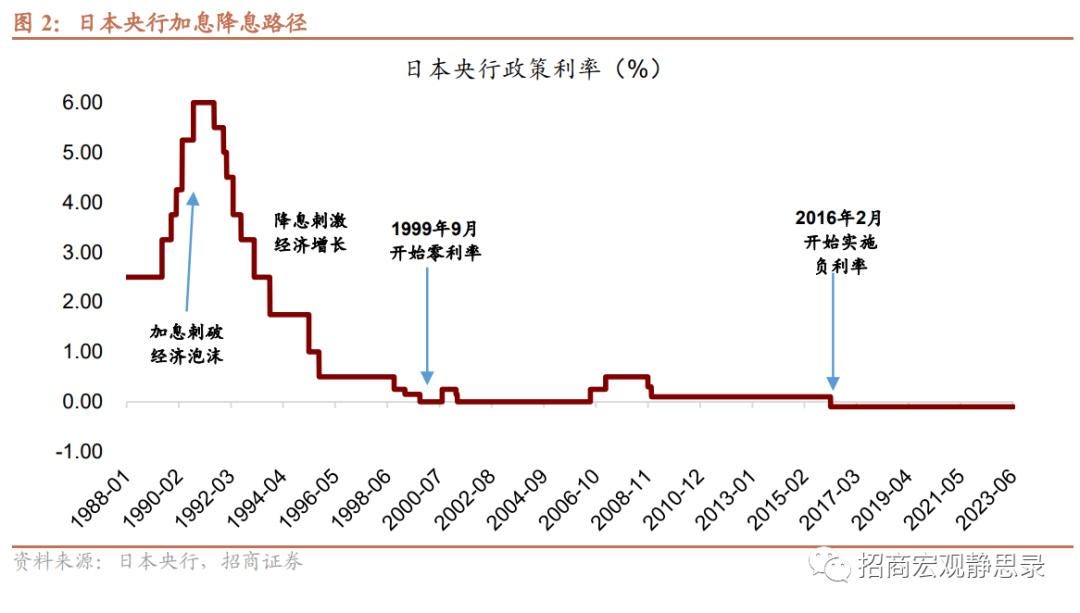
Four days before that peak, a new Bank of Japan governor named Yasushi Mieno raised the official discount rate to 4.25%, the fourth hike in a cycle that had started off a 2.5% floor. He kept going. By August 1990 the rate was 6%. He also went at the property lenders directly through window guidance, ordering the banks to stop feeding the land market.
It worked.
The Nikkei was near 20,000 within ten months. It reached 14,438 by August 1992, and it kept going down in fits for another decade. Urban land fell over 80%. Companies that had borrowed against their headquarters to buy more headquarters saw their collateral simply evaporate. And the banks loaning to them all were left holding a whole bunch of nothing.
From 1991 to 2003 the Japanese economy grew at ~1.14% a year. Real wages fell around 11%. The country slid from second-largest economy to fourth. And the Nikkei did not see 1989 again until February 2024.
34 years. If you were a 30y old lad in 1990, you would spend your entire working life inside the aftermath.
You would have watched your apartment go underwater and stay there till after retirement.
You would have learned that the safest thing was cash and government bonds (and a minority: precious metals). That prices only fell rather than rose, and above all else that the man who raises interest rates is the man who ends the world.
THAT lesson is why the policy rate spent the past three decades pinned at the zero boundary, and why QE became permanent rather than “temporary”, and why the central bank ended up owning half the government bond market. Even without anyone declaring a formal crisis.
Well, the Japanese did it for decades, so why can’t the rest of us?
For that answer, we’ll have to dig. Find out how the machinery works.
Let’s say you want to borrow 100 million yen - which by the time you’re reading this can probably buy you a lollipop at DollarTree - you can borrow that at effectively nothing.
You turn around, sell those yen, and buy dollars, and buy a US Treasury paying 4.5%. Neat income.
Now comes the financial engineering - namely margin (leverage) - because just look at that spread… it’s quite small. But let’s multiply it 25x (before ‘11 it went even to 100x) and you’ll get a yield you could get out of bed for.
THAT there, dear readers. THAT is the carry trade. And for 30 years it was the closest thing in finance to a free lunch.
Underlying assumption: the yen you eventually have to buy back doesn’t cost more than the yen you sold. Whoops.
No1 knows how big this pile is.
Estimates run from $261 billion at the polite end to $8 trillion at the hysterical end. MS goes for $500 billion and most macro people I read land near $2 trillion.
It’s so opaque because this is not really a trade, but a reflex taught to traders over 30 years. It’s instinctive. It’s so ingrained in the modern world of finance that if there’s a hiccup somewhere in Japan, the whole world feels it. [August ‘24 enters the chat]
Think insurers, pension books, hedge fund basis positions, structured products, corporate treasuries and a few hundred thousand (Japanese) retail FX accounts. Taught for 30 years that there IS a free lunch.
So when the BOJ unexpectedly raised interest rates to 0.25% in the summer of ‘24, the world got an acute episode of fuck-where-is-my-money-gone.

Now everyone even slightly familiar with finance understands that when you need to pay MORE for something (for example for a ¥), that it strengthens the value of it. Now, if you raise the interest rate, you strengthen the yen. Strengthening the yen kills that trade. Because your funding currency (yep, I keep repeating it: the yen) appreciates, your loan gets more expensive in the currency your assets were bought in (mostly the USD).
So you - alongside your fellow insurers, pension books, hedge fund, corporate treasuries and a few hundred thousand (Japanese) retail FX accounts - want to reduce your exposure so you sell the asset and buy back the yen.
Which in turn strengthens the yen. Which forces the next insurer, pension book, hedge fund, structured product, corporate treasury or one of the hundred thousand (Japanese) retail FX accounts to do the same.
August 2024 was the demonstration.
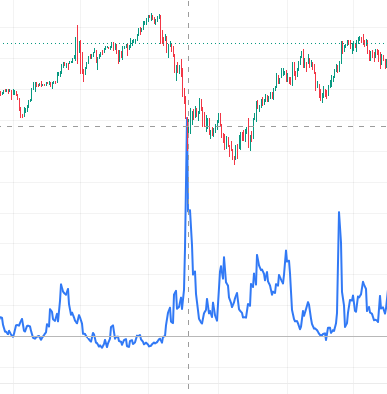
A 15 basis point hike (0.1% → 0.25%), and the Nikkei fell 12.4% in a single day with the VIX above 60.
So keep the yen weak and the trade lives forever.
That was more or less the plan.
Japan buys its energy in dollars and as the yen falls, the same barrel costs you more yen, so Japan can either print more yen to buy the dollars to buy the oil or it can sell reserves to get the dollars.
Printing accelerates the fall.
Selling reserves means selling US Treasuries, which lifts US yields, which widens the differential, which pulls more money into the trade right as volatility is making it unholdable.
Leveraged positions are fine in calm waters. But once you start to rock that particular boat, there’s nowhere there’s any calm left.
And there’s the third - strange - one.
Raising rates should support a currency. But in Japan, it does the opposite.
Consider the government’s debt. It sits above 250% of GDP, so a higher coupon means a bigger interest bill, which is paid by issuing more bonds, which the Bank of Japan ends up absorbing because there’s No1 that can buy at that size.
Which is the whole trap in just that one statement.
Hike? You break the bond market, the regional banks and your own budget.
Don’t hike? The currency keeps sliding while every imported calorie and litre of fuel gets more expensive.
There simply ain’t more road to kick the can. No painless solution anymore. So in good tradition, Prime Minister Takaichi’s answer so far has been … to spend more on top of all the debt that caused it in the first place.
Plus a food consumption tax cut to 1%.
The political equivalent of putting a welcome mat over a sinkhole.

Last December, I argued that Japanese yields were the most important chart in global finance and that almost nobody in Western media had noticed it.
Oh boy, do they NOW?!
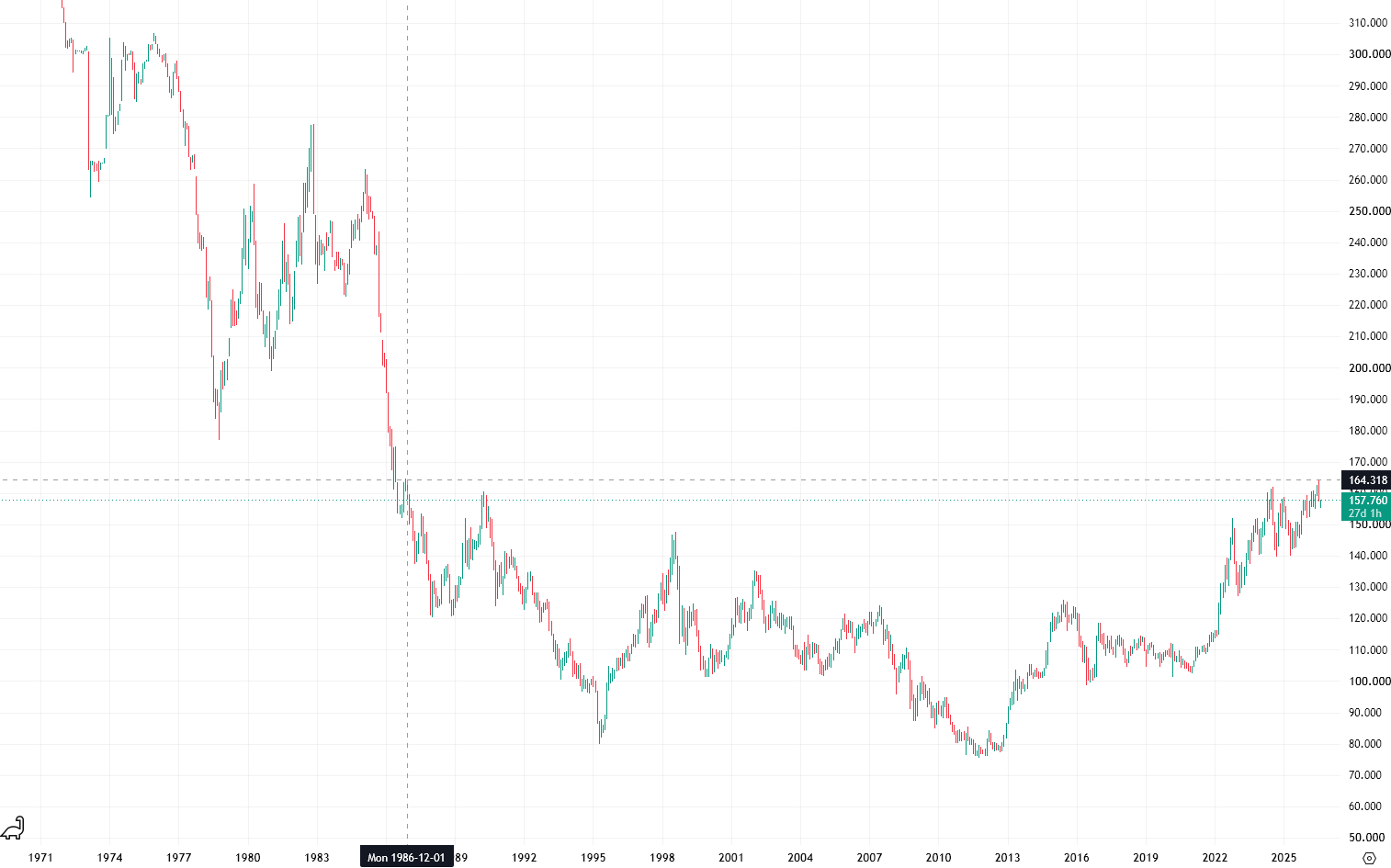
On 23 July, the yen hit 163.99 to the dollar, the weakest since 1986. Forty years.
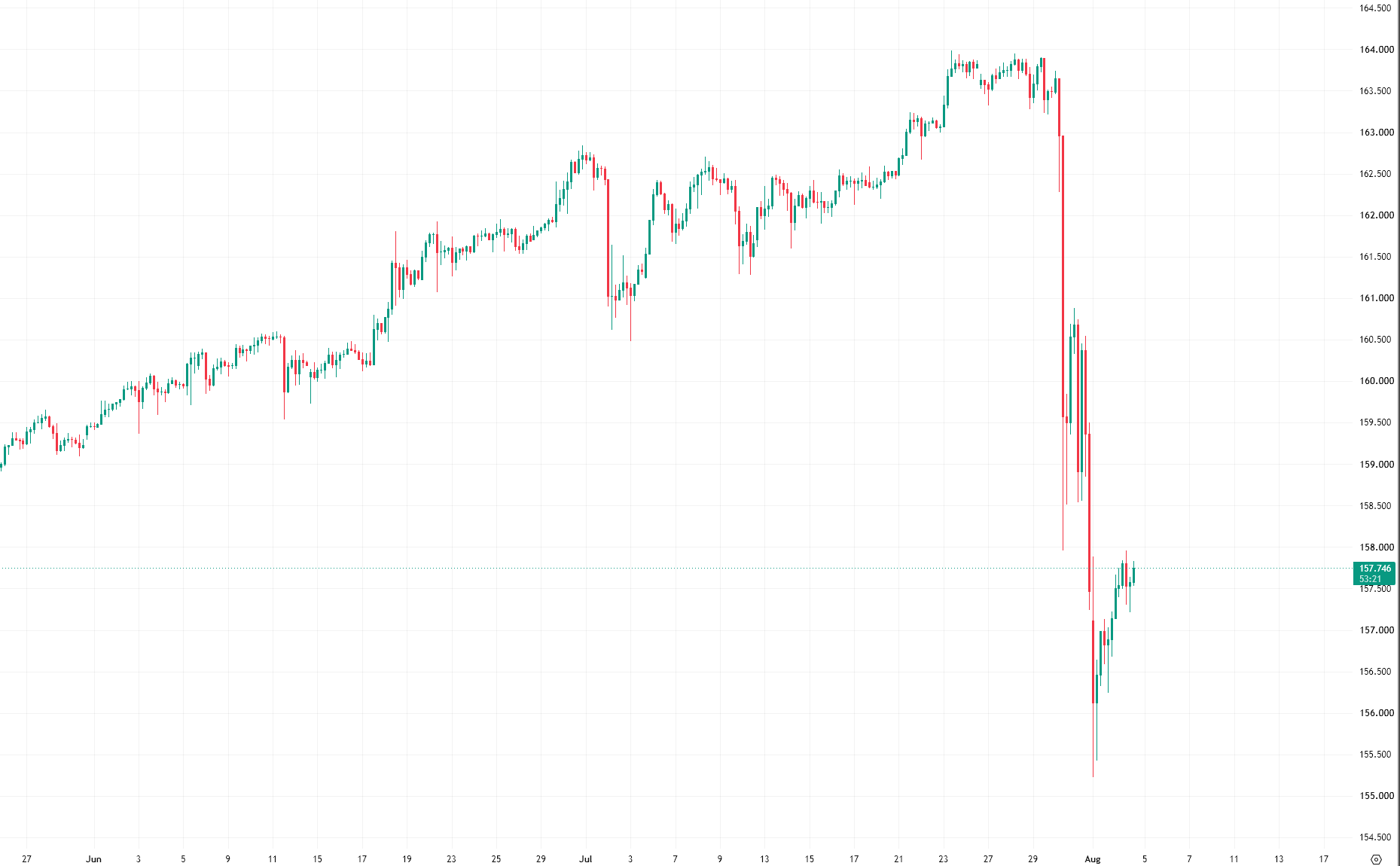
On the 30th, the day before its own policy meeting, the BOJ went into the market, which is a bit like calling in an airstrike the night before your ceasefire vote [Trump enters the chat].
That crimson orgy last Thursday cost roughly ¥8.45 trillion, near $53 billion in a single session, the largest one-day intervention Japan has EVER run.
And because red is the new black, they repeated it on Friday for a measly ¥5.3 trillion ($34 billion, but who’s counting still?).
Give or take $90 billion in two days.
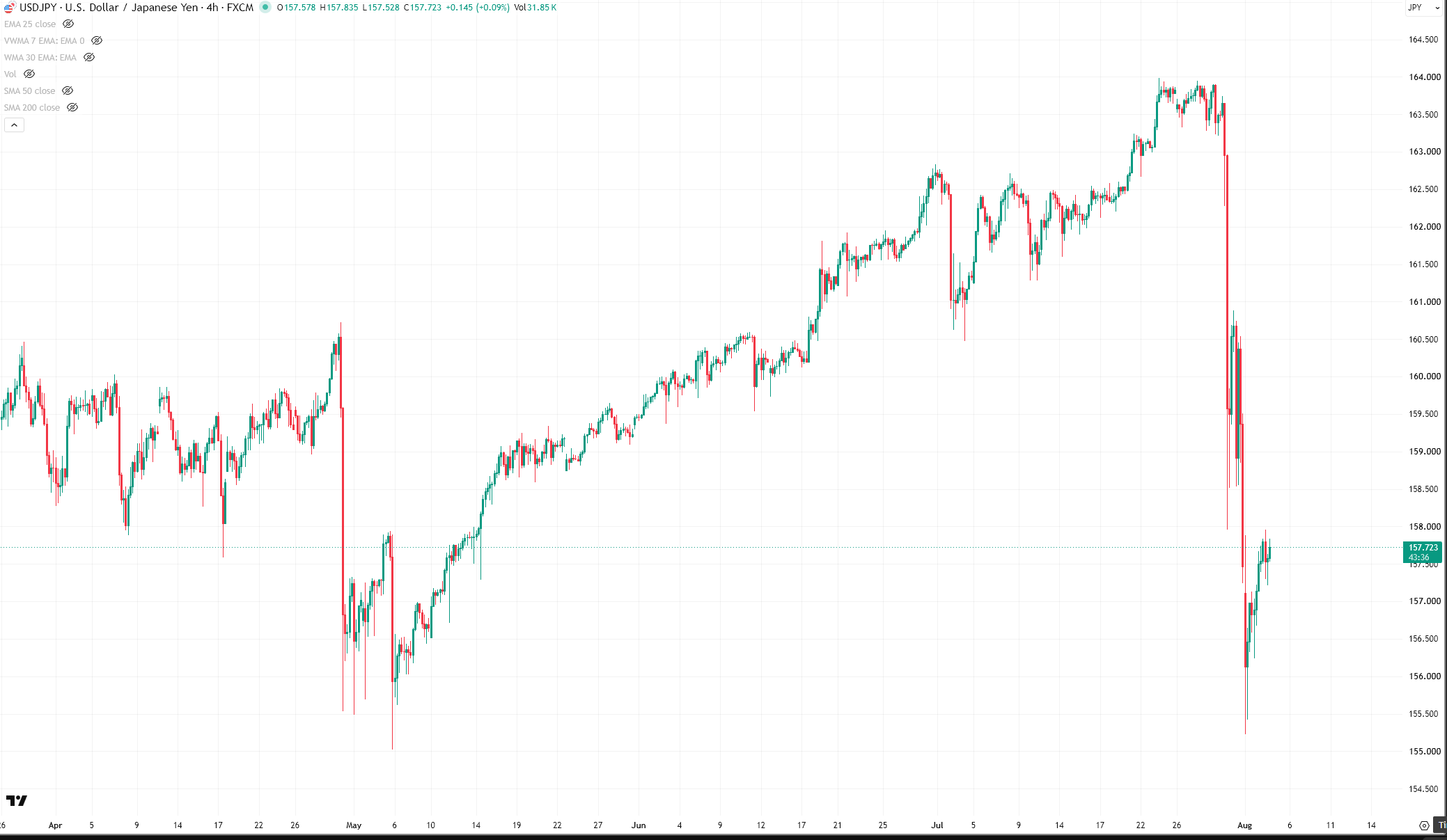
Add April’s operation, carefully filed under “things that definitely did not happen”, and Japan has spent something close to $150 billion this year alone defending its own currency.
About an eighth of its reserves.
For reference: its ENTIRE - official - gold holdings are worth about $111 billion.
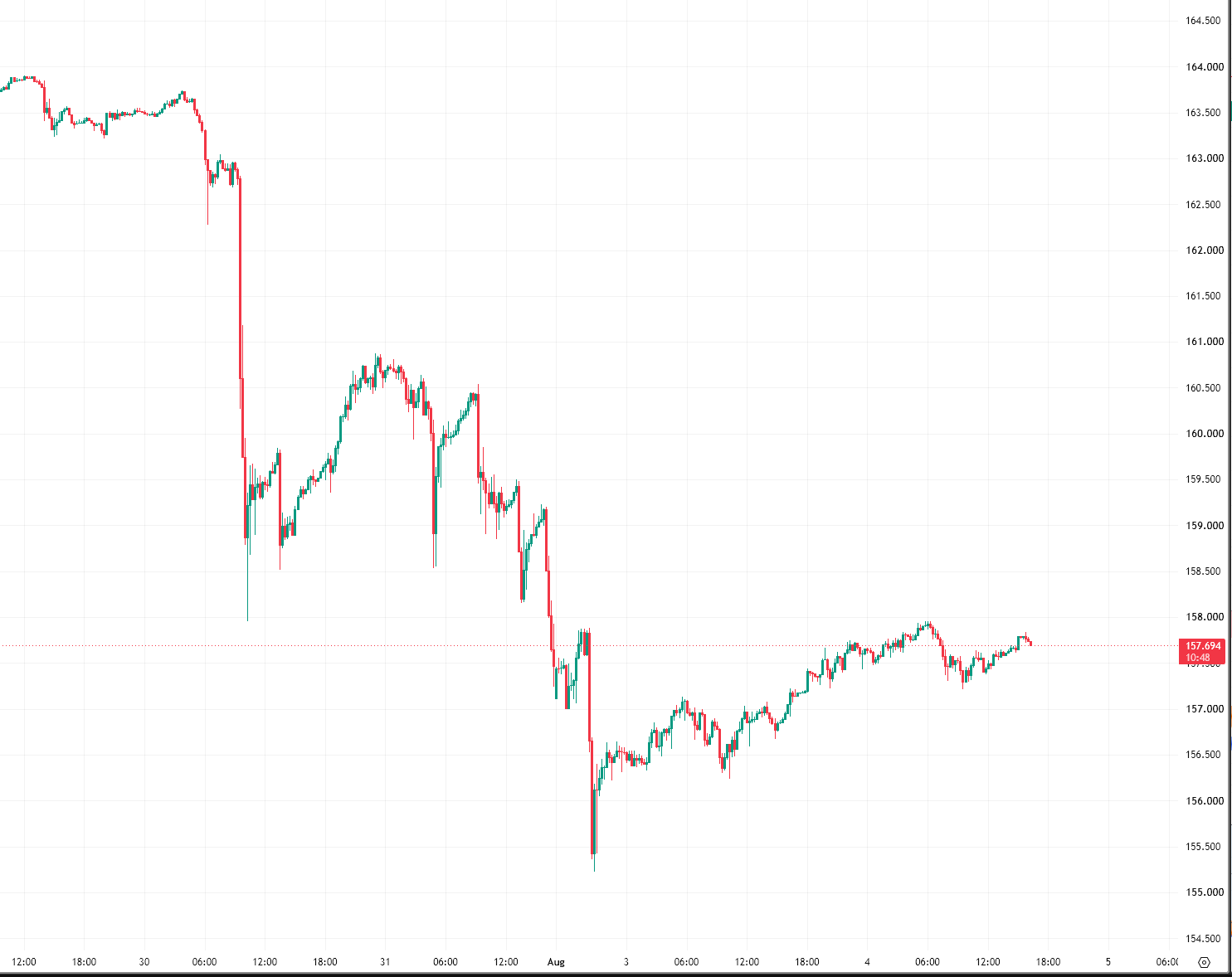
And because even the wildest party needs someone to pretend there is still a responsible adult in the room… the NY Fed decided to crash the party.
First time the US bought yen since ‘98. Bessent said he liked the party and promised to do it again (slightly paraphrased, only slightly). And for this Special Financial Operation, they sold euros.
Legally it’s perfectly fine as the Exchange Stabilization Fund holds them, and it neatly avoids weakening the dollar by propping up someone else’s currency instead.
Whether anyone in Frankfurt was asked remains markedly absent from all three official statements. The euro itself was, unsurprisingly, unavailable for comment.
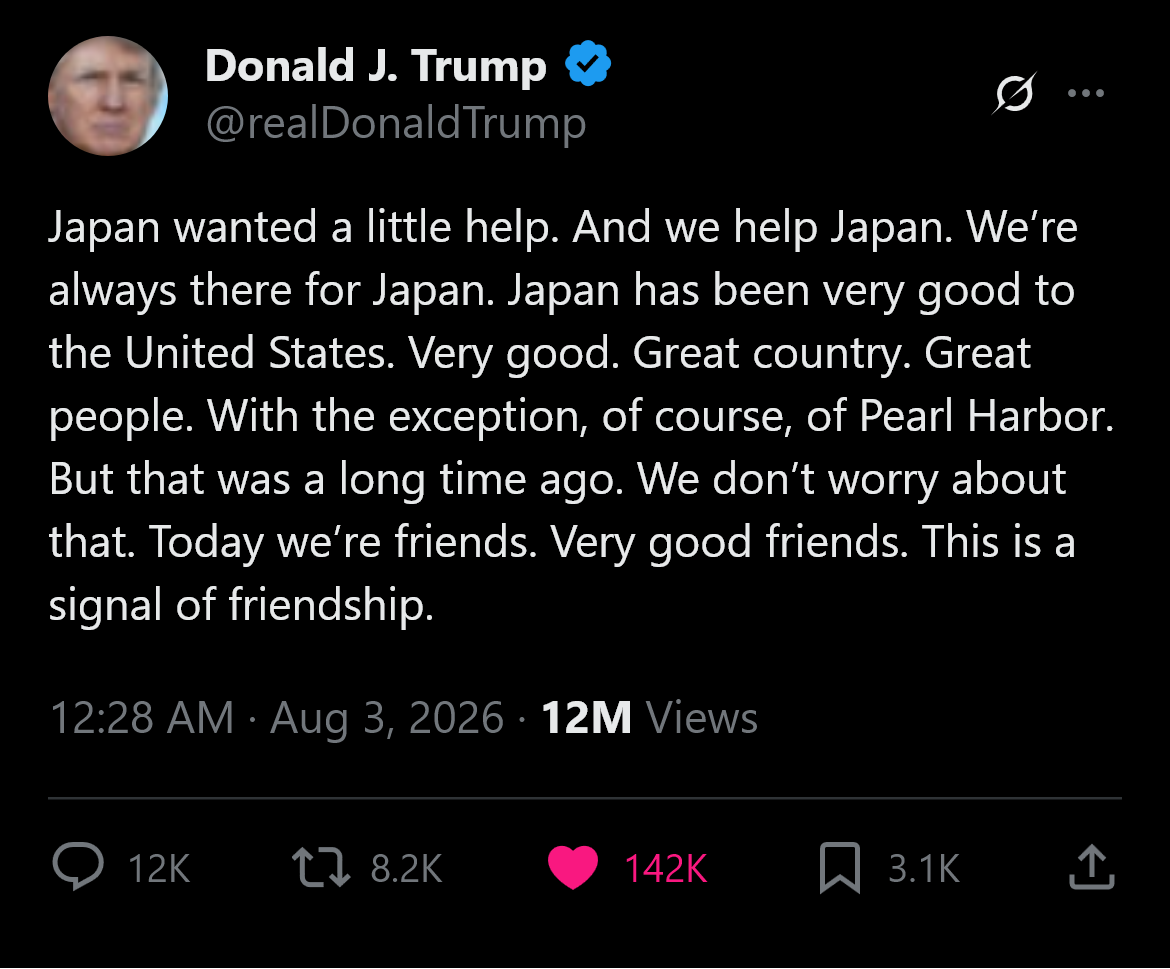
In typical Trump-style, when he was asked why the f* the US was doing this at all, he said something like this:
The actual reason is sitting in the reserve tables.
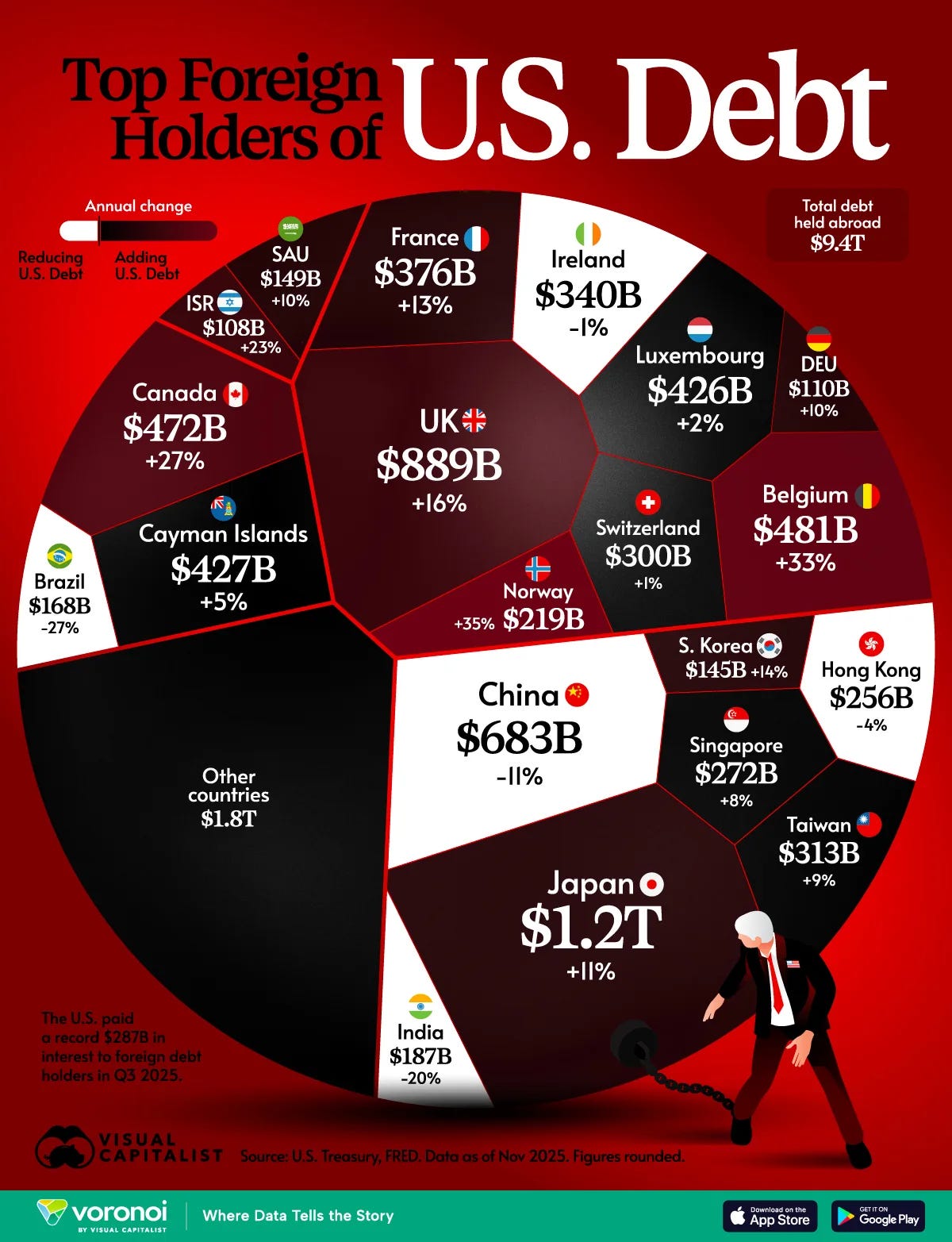
Japan - all those insurers, pension books, hedge fund basis positions, structured products, corporate treasuries and a few hundred thousand (Japanese) retail FX accounts together - hold about $1.19 trillion in US Treasuries.
Every yen that Japan buys to defend itself is funded by selling the exact asset Washington cannot afford to see hit the market right now. [Remember that the US has a $40 trillion federal debt problem asset acquisition conundrum puzzlement, a third of it rolling inside twelve months, and the yields are among the highest in 20 years].
Hence the second half of Monday’s announcement, which barely got a mention.
Japan will use the Fed’s FIMA repo facility going forward, handing over Treasuries as collateral and receiving dollars overnight instead of selling those Treasuries outright.
The tab currently runs to $60 billion a day per counterparty, although Bessent already seems to regard that as a negotiable number.
It's an elegant little arrangement.
Japan keeps its Treasuries, the US keeps a lid on yields, and Japan walks away with freshly minted dollars to spend in the FX market.
This is largely theatre of course, since Japan already keeps hundreds of billions parked in the Fed’s foreign repo pool and private repo is cheaper anyway.
The tell here is what those two treasuries are trying to prevent when they’re announcing it so deliberately. Mechanically it adds very little.
Now I’m wondering - and you probably with me - what does $90 billion buy you these days?
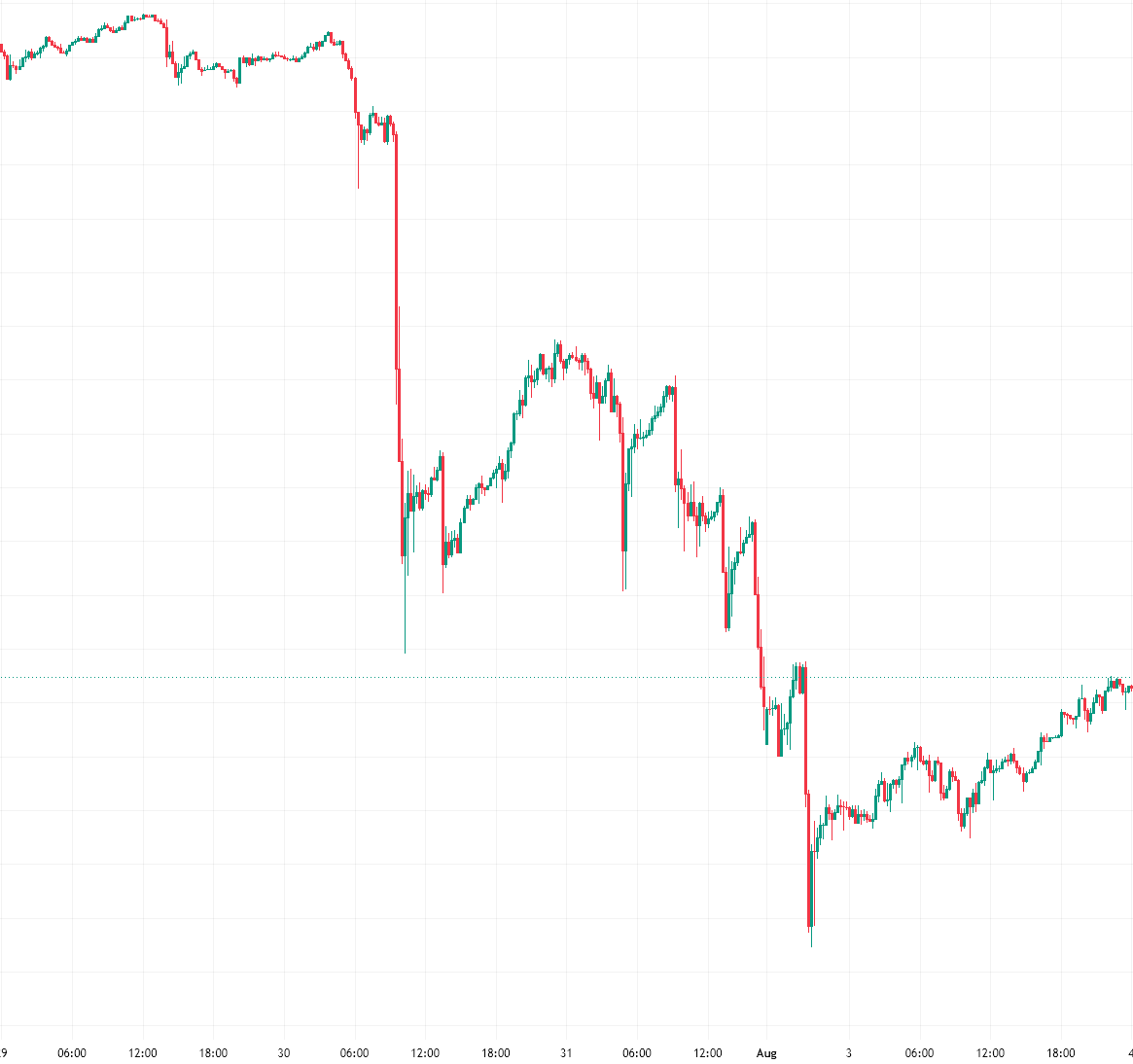
The yen touched 164 last week, lowest point Monday got around 155 and last read has it around 158… 3 days. 4 percent.
Meanwhile Tokyo ran a 10-year bond auction today that came apart in the participants’ hands: bid-to-cover of 2.56 against a 3.3 average, the lowest since May 2025, and a tail of 0.46 that is the second widest this century. The 10-year sits near 2.85%, the 2-year has gone through 1.57% for the first time in over thirty years, and the 30-year is at 4%.
The buyers stay away because they can no longer price this thing.
Which brings us to the barrel, because none of this happens without it.
Japan imports essentially ALL of its energy and pays for ALL of it in dollars. Needless to say that a falling yen and a rising crude price is what established economists call ‘unhelpful’.
June’s trade deficit came in at 3x the consensus forecast, with import values up 25%.
Everyone made the assumption that the “Weekend War” would break China’s back. Instead it seems to have backfired and broken Japan. And the Treasury market with it.
Back in March, Reuters reported that Tokyo was weighing market interventions. And at this point, everyone naturally assumed they meant the currency. They did not… They meant oil.
The scheme is surprisingly simple: tap its reserve pile, lean on the oil price through “some” very timely short positions in the futures markets and with it, shrink the dollar cost of every imported cargo, relieving the pressure on the yen from that end.
If this sounds like market manipulation, don’t you worry, it’s all legal!
Japanese law permits using their FX war chest for futures positions as long as the stated objective is stabilising the currency.
You could see the shift before you saw it in the policy. Katayama started blaming speculative moves in crude futures instead of warning about speculators in the currency markets.
Then, on 5 March, a senior White House official casually mentioned that Washington was also looking at measures involving the oil futures market.
The Treasury declined to comment, maintaining the proud tradition of plausible deniability.
I’m sure neither of them did anything.
But the markets left a few breadcrumbs. Crude repeatedly saw selling pressure during the thin Tokyo hours, day after day. And magically, on the 20th, nothing happened. Even manipulators deserve to take their holidays.
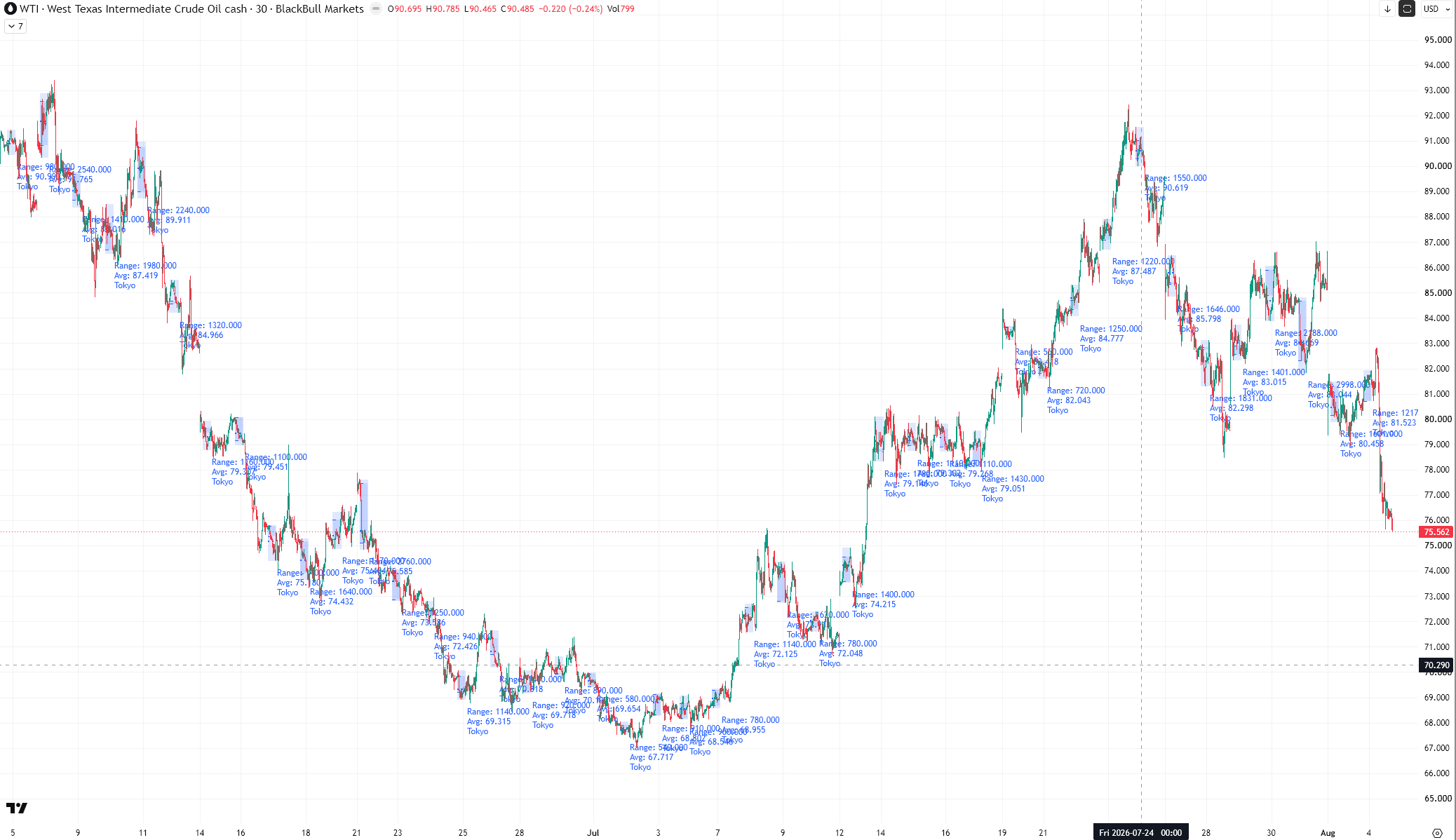
Because look at that screen.
The SoH carries around a fifth of the world’s oil and it is still largely shut, tankers are still being turned back, and WTI settled today at $75.
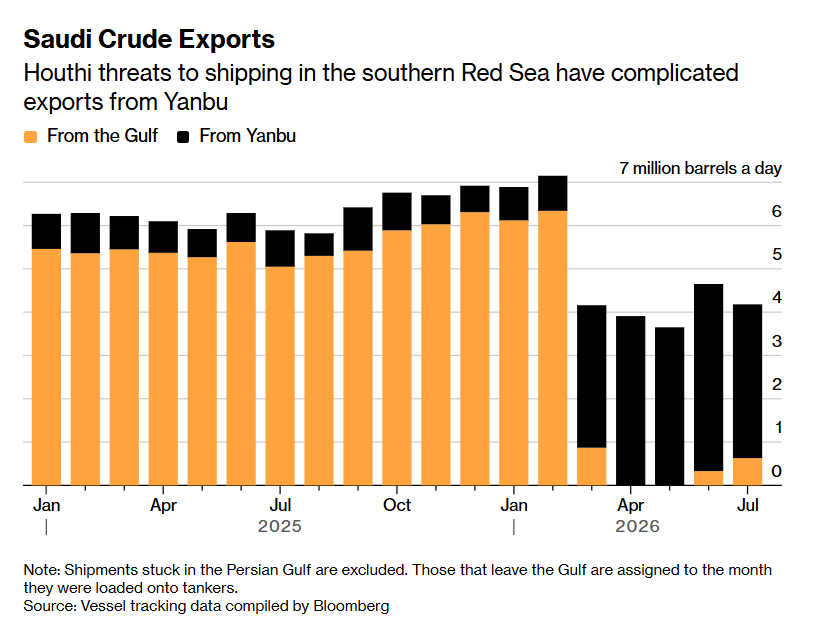
Ansar Allah is keeping the Saudis from using the easy route, so that’s about 5-6 million barrels delayed too.
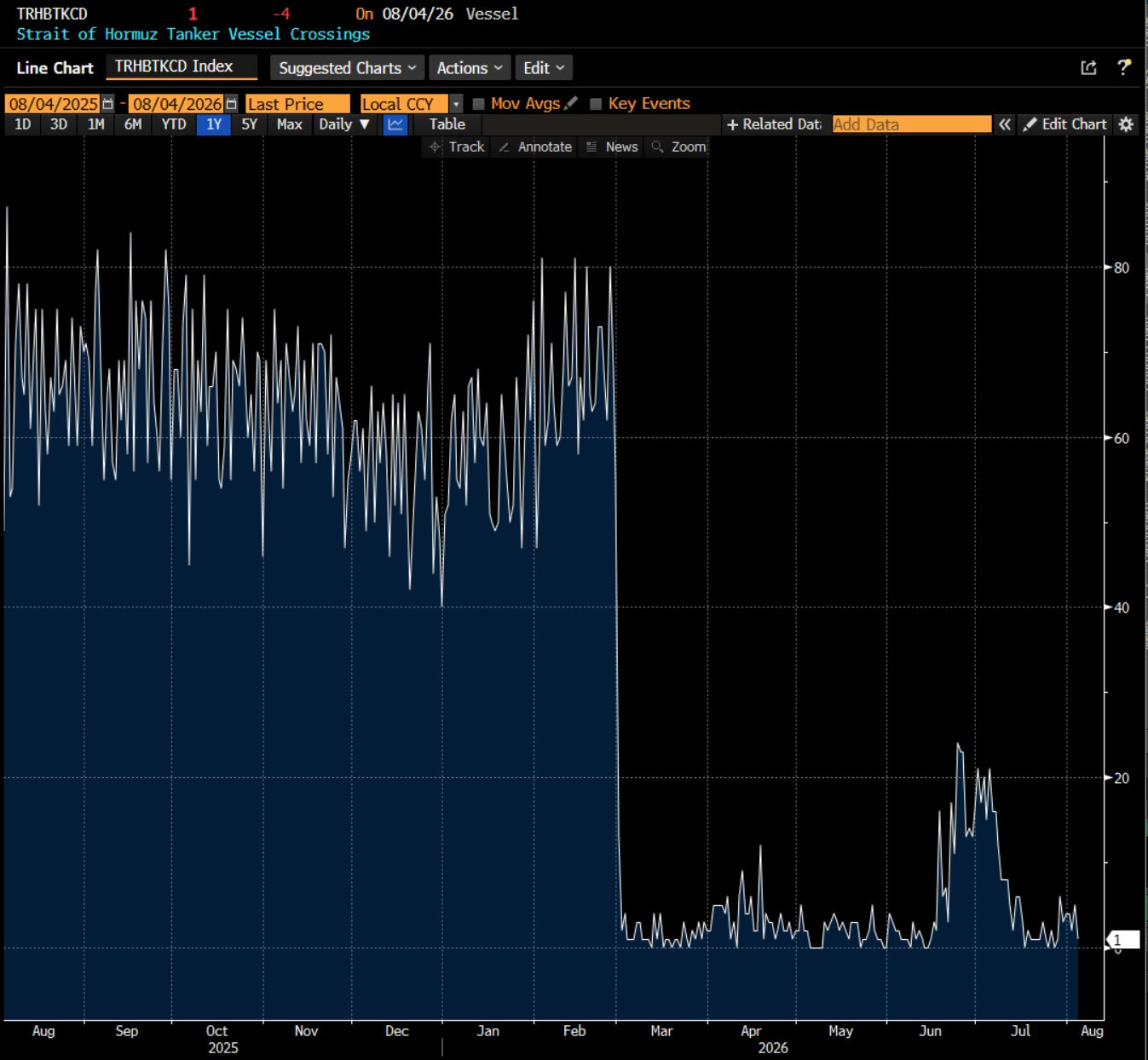
Brent gave up its entire war premium in June because the war is over and ships are flowing freely, right?
Even Bloomberg’s catching on and saying that oil looks too low. Even them. Nothing says “policy error” like the MSM uttering conspiracy facts.
I’ve been banging this particular drum since spring…

The closer you stand to the physical barrel, the less you believe the virtual number.
The incentives line up beautifully...
Cheap paper crude flatters Japanese import costs, softens the yen problem at the source, drags headline inflation down in the US, and gives a Fed with three members already dissenting for a hike a reason to sit still.
$90 billion in the FX market bought three days. A fraction of that was spent in the futures. Which was wagging the FX tail.
I’m not claiming I know. I’ll be the first to confess I’m an idiot with a keyboard. But when two governments say the unspoken out loud, when there’s a legal basis for manipulation, and when the outcome is precisely what they wanted?
Sometimes even politicians tell the truth. I’m as surprised as you are!
Underneath, speculative shorts against the yen are approaching the largest since the financial crisis, and margin trading by Japanese retail is at its highest level since 1990.
That year keeps coming up in this piece. Sounds significant. Maybe something happened then??
Gold, meanwhile, sits around $4,070 and silver near $59, both well below their highs, at the precise moment the world’s two largest debtors are holding hands in the FX market to keep one of their currencies upright.
Seems we have paper oil. Paper gold. And paper silver. And all are intricately linked with each other. Because if one goes, so do the others.
All those prices are held down through unallocated paper claims.
Nothing is true. Everything is permitted.
My feeling is this is one giant pressure cooker.
They’re not even hiding it anymore, stating those things plainly in the open.

The machinery is enormous.
The language impressive.
The acronyms plentiful.
But somewhere underneath all of that is a person who just wants to buy groceries and turn on the heating.
Two treasuries issued a statement to save the currency.
Nobody has issued one to save him.
My other publications:
[Daily Digest] → The news in 5 minutes, without the forty open tabs.
[Portfolio] → What I do with my own money
Excellent breakdown No1
It looks like everything in the market is disjointed from reality.
Cashed out of the casino a while back with a few long, confidence in this shit with orange man and his ilk at the helm, is a portfolio train wreck.
Well the markets went from Fed forbearance to Trump’s real time posts.