
Iran: Deep dive

When most people think about Iran, they tend to think like this:


But did you know that this is also Iran?


Iran is a noble unknown to me. I read about it sure, but what do I know? I once heard that they’re pretty western-leaning. But was I right? I had no idea. So I started digging.
What follows is what I found. I know I missed a lot of history, but if you think it is important, please elaborate in the comments so we can all learn from each other!
The basics
Let’s start with the basics, because the basics are already surprising.
Iran is not an Arab country. It never was. Iranians are Persian, speak Farsi, and have a civilisational history stretching back over 5,000 years - one of the oldest continuous civilisations on earth. Before Islam, before Christianity had spread across Europe, Iran was the centre of Zoroastrianism, one of the world's oldest monotheistic religions, and one of the intellectual wellsprings of the very concepts of heaven, hell, and a final judgement that Christianity and Islam later inherited. This is not some peripheral backwater. Keep that in mind for everything that follows.
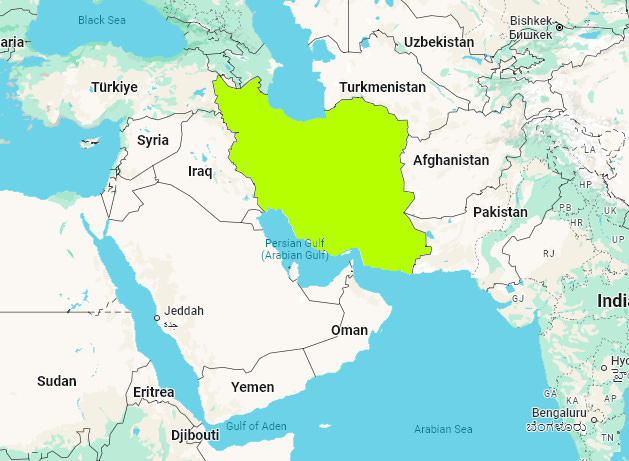
Geographically, Iran sits at an extraordinary crossroads. To the north, the Caspian Sea and the former Soviet republics. To the northwest, Turkey and Azerbaijan. To the west, Iraq. To the east, Afghanistan and Pakistan. To the south, the Persian Gulf and the Strait of Hormuz - through which, as of last year, roughly 13 million barrels of crude oil passed every single day, accounting for about 31% of all seaborne crude on the planet. That narrow stretch of water is why every major power since at least the Cold War has had strong opinions about who runs Tehran.
It is not complicated.
It is geography.
The country is enormous - four times the size of Germany, nearly twice the size of Texas. Its population of roughly 90 million is young, with somewhere around 60-70% under the age of 35. Literacy rates are high. University attendance is high. Women make up more than half of university graduates. Iran holds the world’s second-largest natural gas reserves and the fourth-largest oil reserves. It has a sophisticated industrial base, a developed pharmaceutical sector, one of the most educated workforces in the region, and a middle class that - when not being strangled by sanctions and inflation - has real purchasing power.
None of this is secret. Most of it simply never makes the news.

Five thousand years in five minutes
Before Islam, before Christianity had consolidated across Europe, before Rome had fallen - Persia was already old.
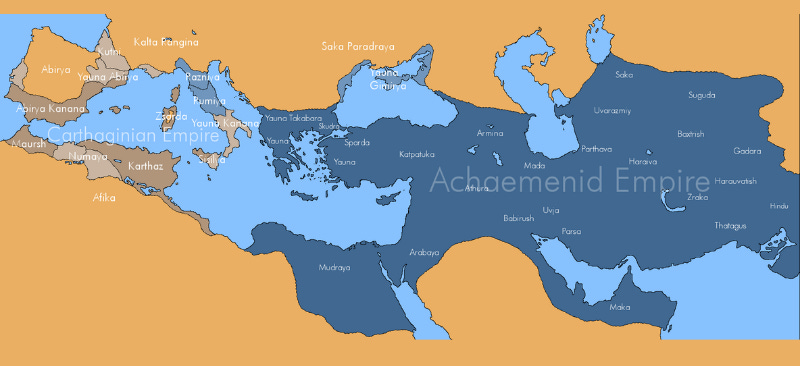
Written records from the Iranian plateau date back to around 3200 BC - the Elamites, one of the earliest civilisations on earth, contemporary with Mesopotamia and ancient Egypt. Later came the Medes, who built the first Iranian empire and sacked Nineveh in 612 BC. By 550 BC, a leader named Cyrus the Great had consolidated power and founded the Achaemenid Empire - the largest the world had seen to that point, stretching from the Aegean to the Indus.
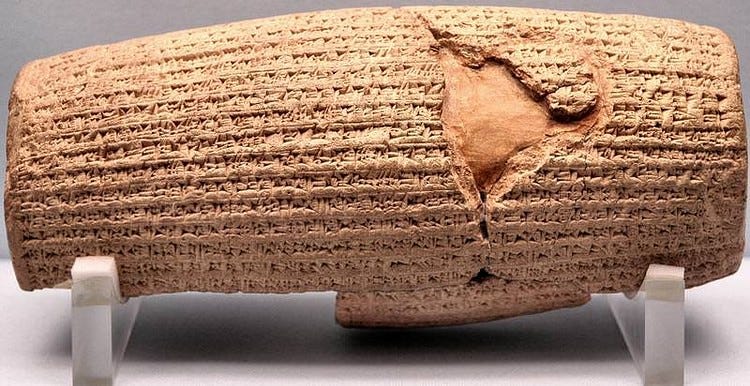
His administration produced what some historians consider the first human rights charter - the Cyrus Cylinder, a clay document declaring freedom of religion and allowing captive peoples to return to their homelands and rebuild their temples, now sitting in the British Museum. The Hebrew Bible later portrayed him as the liberator of the Jews and gave him the title “Messiah” - the only non-Jewish figure to receive it. The Achaemenid approach to conquered peoples - remarkably tolerant by ancient standards, allowing local customs and religions to continue - stands in sharp contrast to most empires of the era.
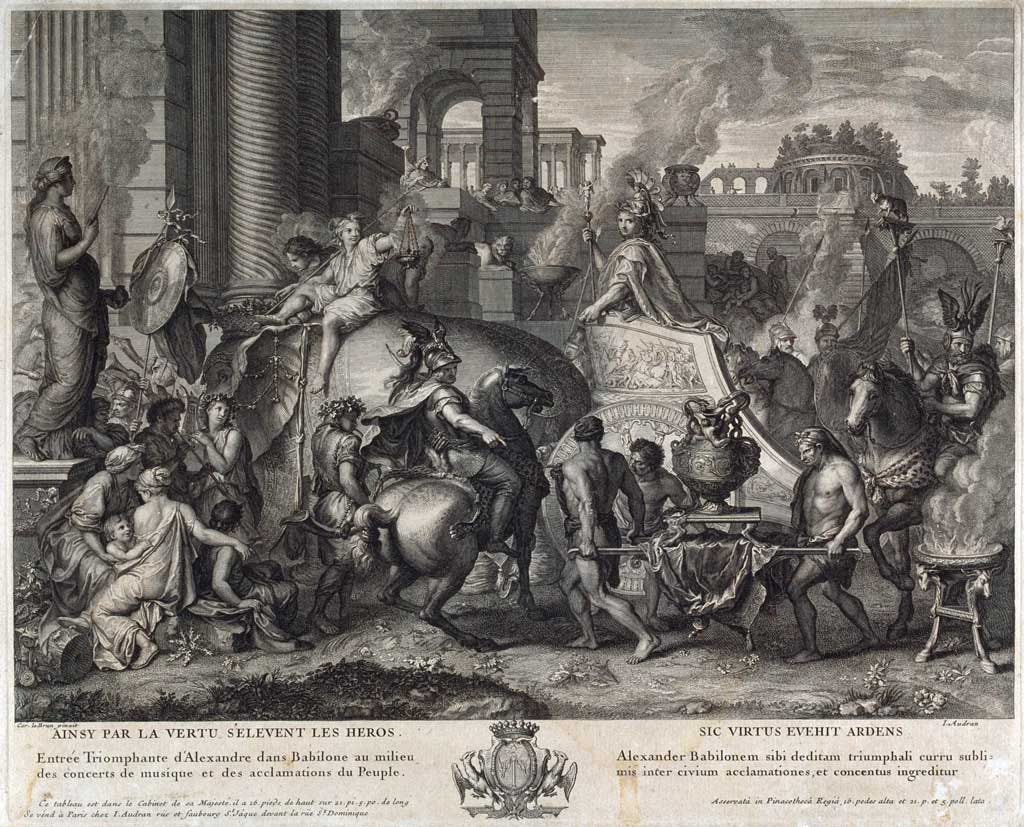
Alexander the Great conquered and dismantled the Achaemenid Empire in 330 BC - famously burning Persepolis, its ceremonial capital, to the ground. But Persia absorbed Alexander more than Alexander absorbed Persia. Greek culture blended with Persian, and the Parthians and then the Sassanid Empire rebuilt Persian power and identity over the following centuries. By the time of the Sassanids, Iran was one of the two great superpowers of the ancient world, in near-constant conflict with Rome and then Byzantium. Persian art, architecture, literature, and administration were sophisticated and influential across the known world.
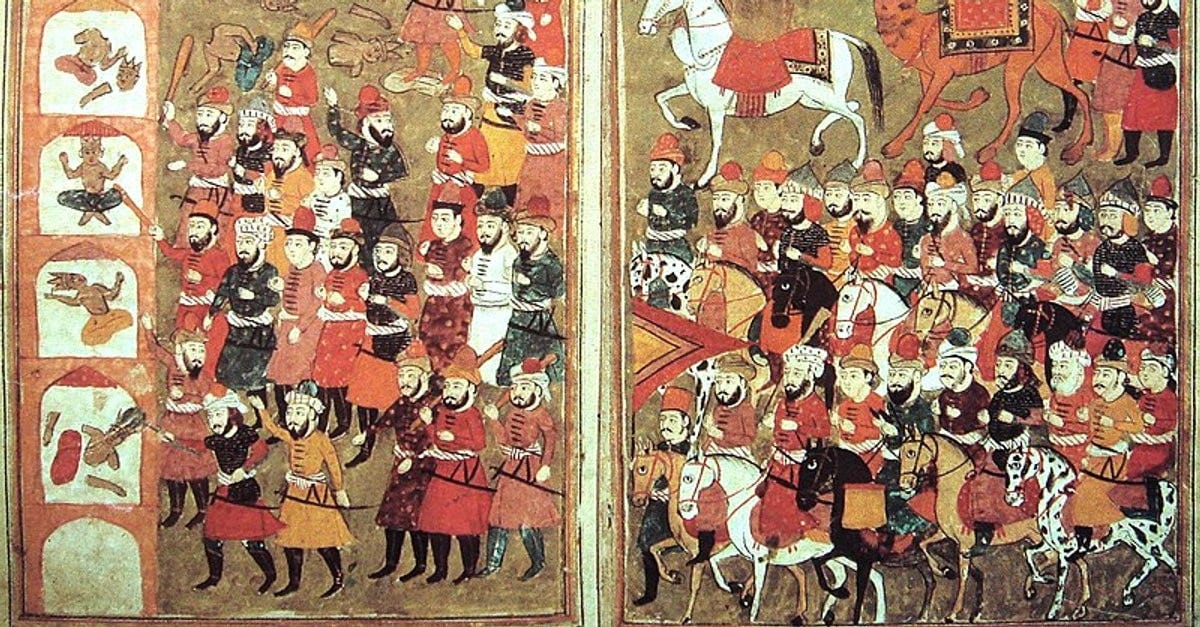
Then came the Islamic conquest. Arab armies defeated the Sassanid Empire in 651 AD, and Islam became the dominant religion of Persia within a century. But Persia didn’t simply become Islamic. It transformed Islam from within. Persian scholars, bureaucrats, poets, and theologians became the intellectual engine of the early Islamic world. The Abbasid caliphate, headquartered in Baghdad, was deeply Persian in character. The great works of Islamic philosophy, medicine, mathematics, and poetry - al-Biruni, Avicenna, Rumi, Omar Khayyam - were largely Persian or Persian-influenced. When people talk about the “Islamic Golden Age”, they are talking substantially about Persian civilisation operating under an Islamic banner.
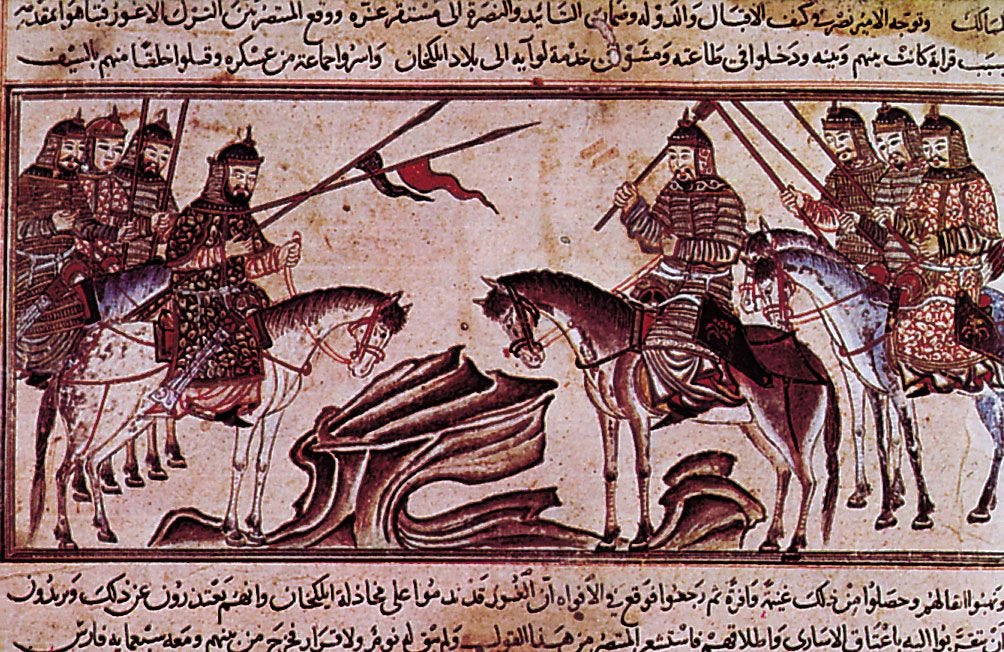
The Mongols ended that. The invasions of the 13th century were among the most catastrophic events in recorded history for the region. Cities that had been centres of learning for centuries were razed. Populations were massacred on a scale that depopulated entire regions. Iran took generations to recover.
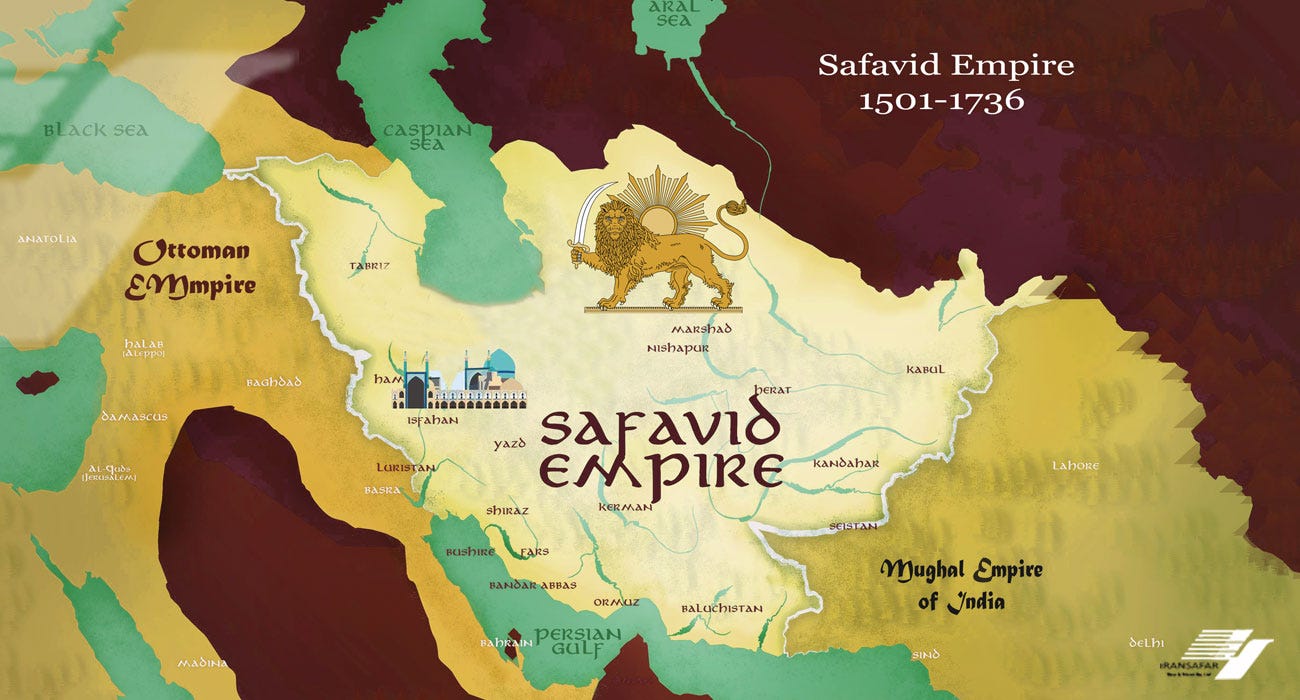
The Safavid dynasty, which came to power in 1501, is the hinge that explains the modern Middle East’s religious map. The Safavids made Shia Islam the state religion of Iran - by force, converting a largely Sunni population over several generations. This was not purely theological. It was strategic: the Safavids needed to differentiate their empire from the Sunni Ottoman Empire to the west, with whom they were in constant conflict. The Ottoman-Safavid rivalry is the origin of the Shia-Sunni divide as a geopolitical fault line rather than merely a theological one. Iran became, and remains, the world’s dominant Shia power - surrounded by Sunni neighbours, which is context essential for understanding everything that comes after, including why Iran and Saudi Arabia view each other with such deep structural hostility today.
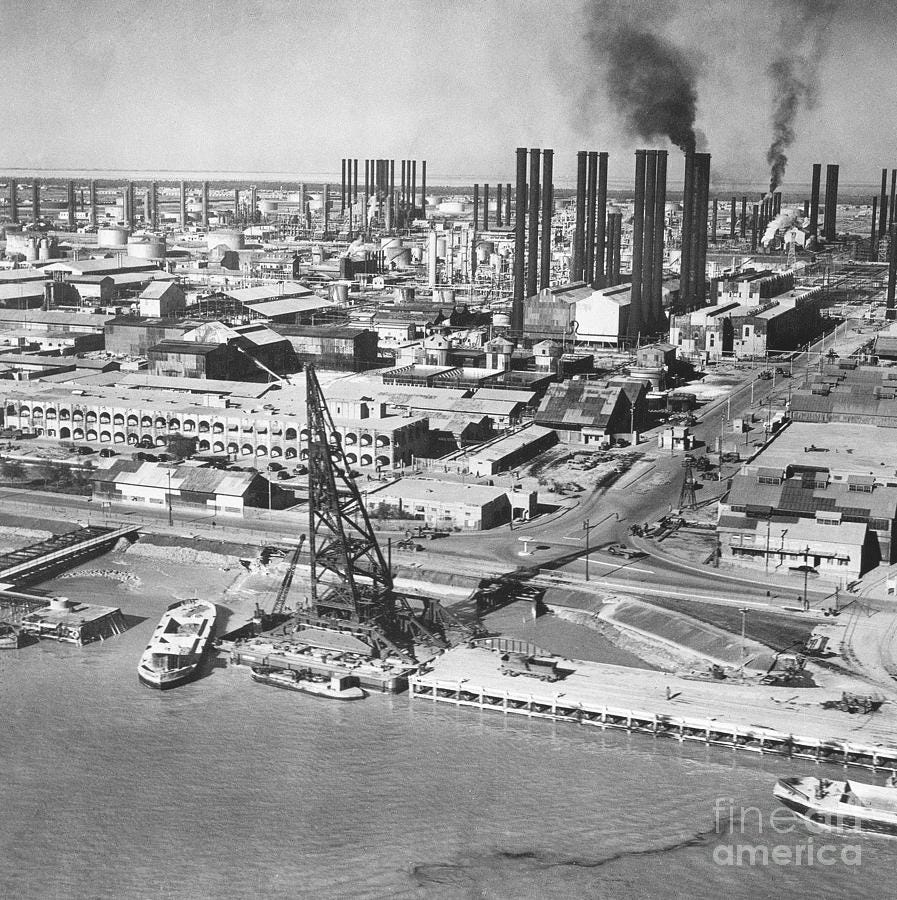
Then came the discovery of Iranian oil. The late Qajar dynasty in the 19th and early 20th centuries saw Iran slowly carved up by British and Russian spheres of influence. In 1908, oil was discovered in Khuzestan. The Anglo-Persian Oil Company was formed. And the stage was set for 1953.
From miniskirts to theocracy
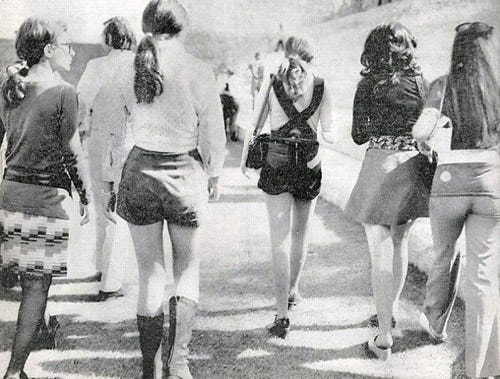
The standard Western narrative of Iran goes something like this: there were some medieval religious fanatics, they took over in 1979, and now we have a problem.
That’s it. That’s the whole story as most people understand it.
And it is profoundly incomplete.


Look at those photographs of Tehran from the 1970s. I mean... women in miniskirts on tree-lined boulevards. Universities full of students who look indistinguishable from their contemporaries in Paris or London. A secular middle class, a thriving arts scene, and a capital city undergoing rapid modernisation. Iran in 1975 was not the Islamic Republic. It was something much closer to what we’d recognise as a Western-adjacent society in transition.
So what happened?
The answer begins not in 1979 but in 1953, in a story that the US government officially kept classified for sixty years and only formally acknowledged in 2013.
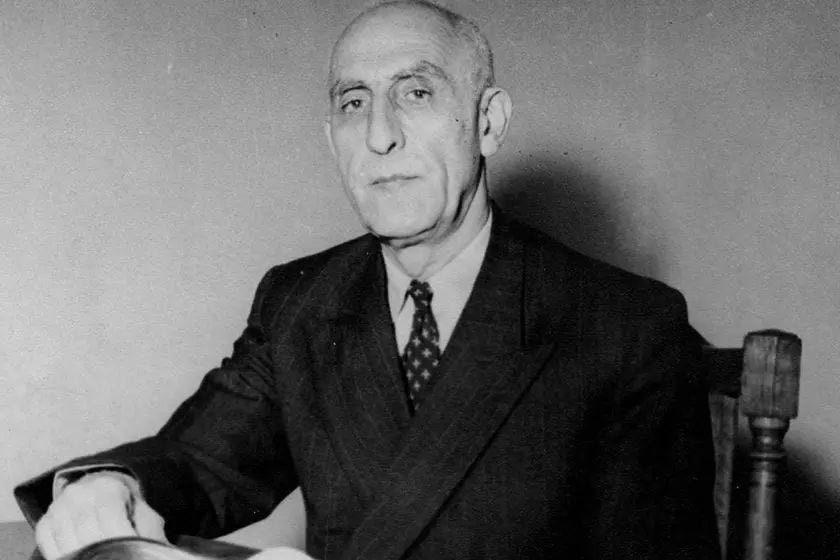
Mohammad Mosaddegh was Iran’s democratically elected Prime Minister. He was wildly popular, had a strong parliamentary mandate, and his central political project was straightforward: Iran’s oil should belong to Iran. The Anglo-Iranian Oil Company - a British corporation, today known as BP - had been extracting Iranian oil for decades under terms that were, by any reasonable measure, exploitative. The company’s net profits between 1945 and 1950 were almost three times the royalties it paid Iran. Mosaddegh’s proposal was a 50/50 profit split, the same model Venezuela had just successfully negotiated with American oil companies. The British rejected it. In 1951, the Iranian parliament voted to nationalise the oil industry. The crowd chanted Mosaddegh’s name in the streets.
Britain was furious. It imposed an international boycott of Iranian oil, froze Iranian assets, and began planning regime change. When it couldn’t manage it alone, it turned to the Americans - and played the Cold War card. Mosaddegh, they argued, was soft on communism. Iran could fall to the Soviets. The Americans, freshly in the grip of McCarthyite paranoia, bit. President Eisenhower approved the operation in 1953. The CIA, under the direction of Kermit Roosevelt Jr. (yes, grandson of Theodore), ran what became known as Operation Ajax.
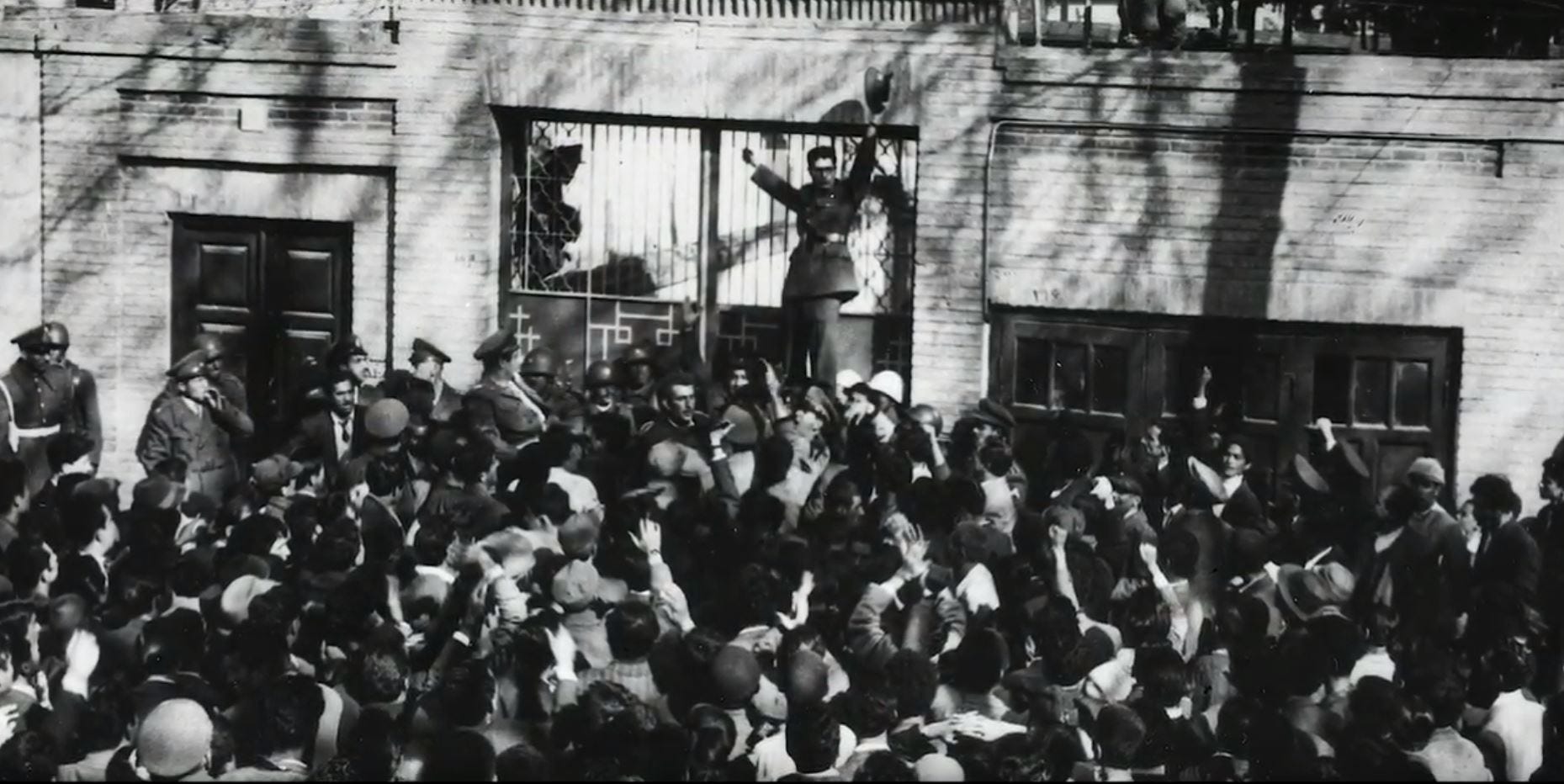
The operation involved bribing Iranian military officers, funding street demonstrations both for and against Mosaddegh to create the impression of chaos, planting disinformation in the Iranian press, and ultimately engineering a military coup. The first attempt failed - Mosaddegh got wind of it, the Shah fled to Rome convinced it was over. Roosevelt, defying a direct CIA order to stand down, pushed on. The second attempt succeeded on August 19, 1953. Mosaddegh was arrested, tried for treason, sentenced to house arrest, where he remained until he died in 1967. Iran’s first and only democratically elected leader.
The Shah was restored to power. American oil companies were cut into the deal alongside the British. And as a condition for putting the Anglo-Iranian Oil Company back together, the Americans required the breakup of its monopoly - five American petroleum companies joined the consortium. Everyone won.
Everyone except Iran.
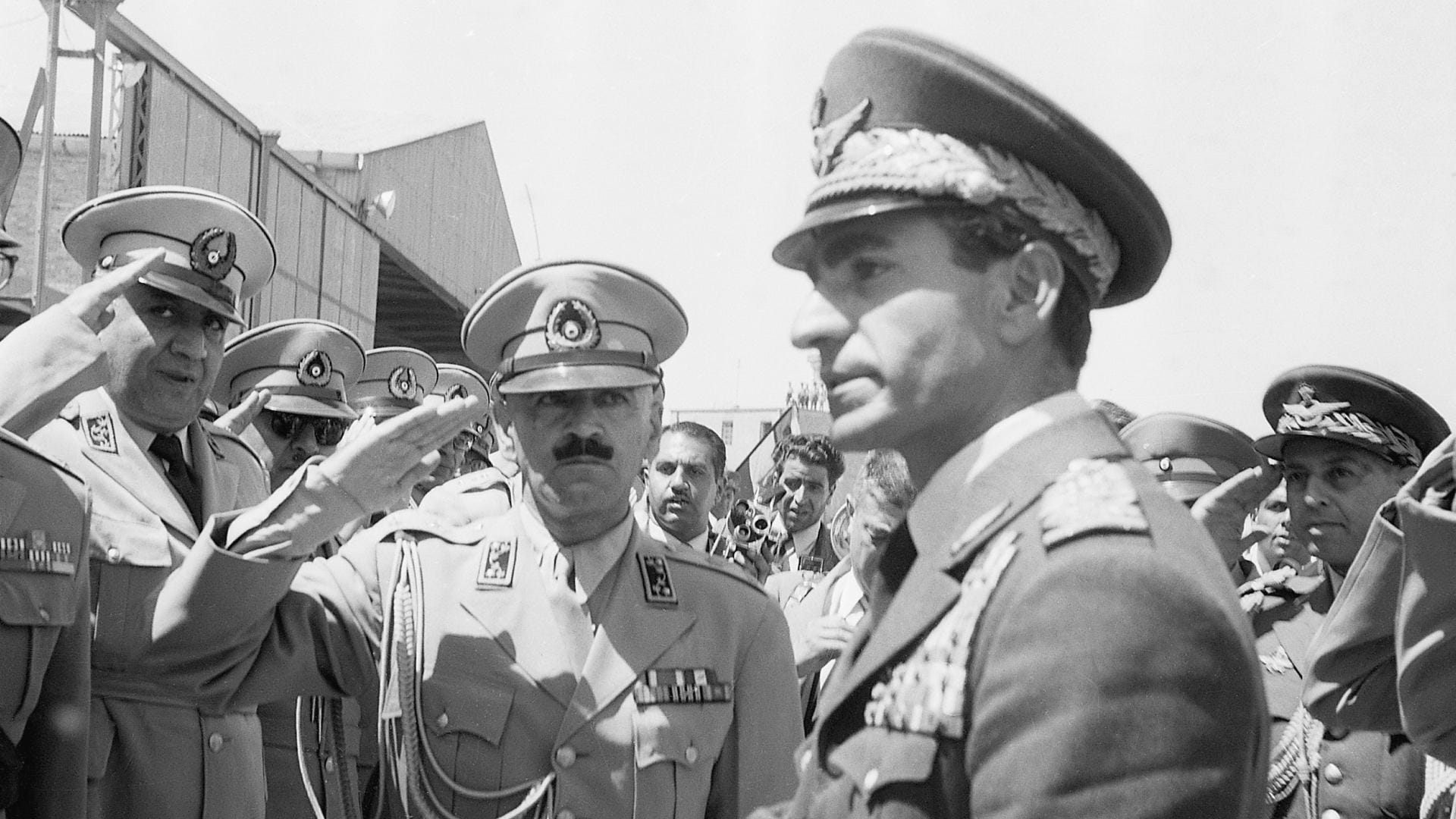
The Shah, now thoroughly dependent on American backing, governed for the next 26 years with increasing brutality. In 1957, with direct CIA and Mossad assistance, he established SAVAK - his secret police. By the 1970s, SAVAK had over 5,000 full-time agents and an unknown number of informants reaching into every corner of Iranian society: universities, unions, government offices, the press. Amnesty International in 1976 called the Shah’s regime one of the worst human rights violators in the world. A senior CIA officer was later reported to have been “involved in instructing officials in SAVAK on torture techniques”. Methods documented by Amnesty included electric shocks, extraction of nails, and considerably worse things I won’t list here. SAVAK ran its own prison, Evin, which became synonymous with everything the Shah’s reign represented.
This is documented. The CIA declassified it in 2013. Amnesty International reported it. It is an historical fact.
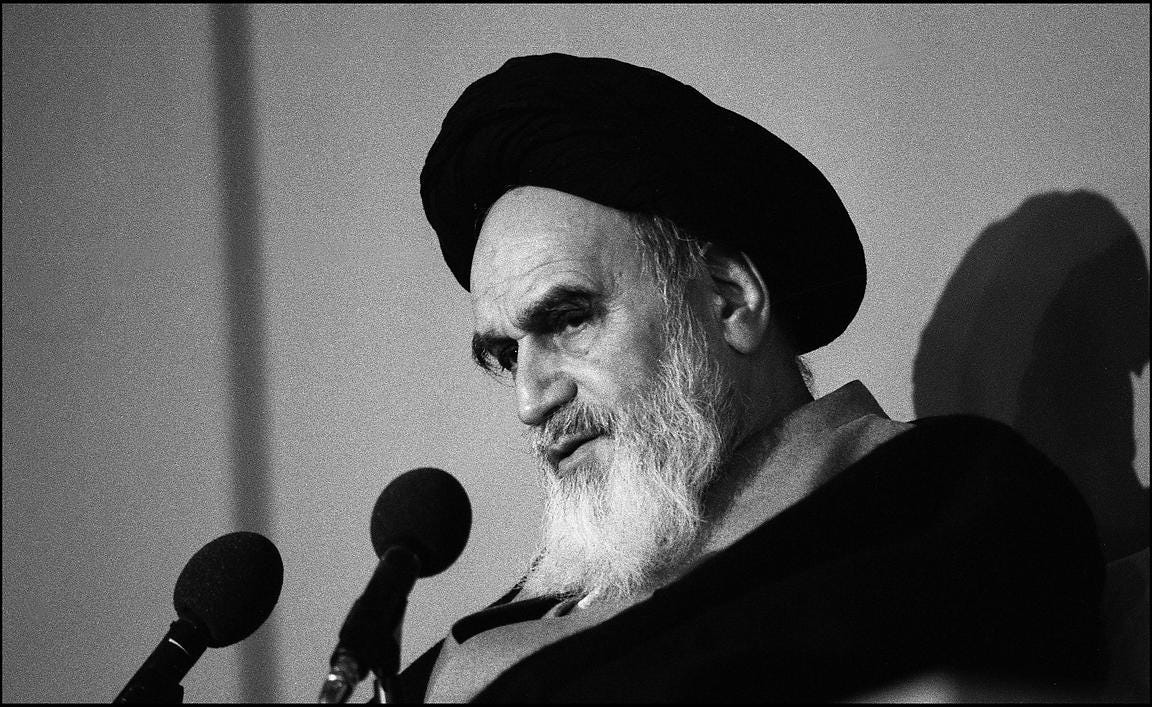
By 1979, after 26 years of CIA-backed repression, when millions of Iranians rose up against the Shah, the opposition coalesced around Ayatollah Khomeini not because Iranians were medieval theocrats who wanted to live under religious law - but because Khomeini was the most visible figure who had consistently opposed the Shah from outside the country, beyond the reach of SAVAK. The revolution that produced the Islamic Republic was not an expression of some deep Islamist yearning. It was rage. It was blowback. It was what happens when you take a country with a modern, educated, politically engaged population, back its most brutal dictator for a quarter-century, and then express surprise when the lid comes off.
The Islamic Republic replaced SAVAK with VEVAK. The torture continued. Khomeini consolidated power, eliminated rivals, and built the theocratic structure that Iran still has today. The revolution that began as a broad coalition - leftists, nationalists, liberals, religious conservatives, all united against the Shah - was captured by the hardliners. Most Iranians didn’t vote for the Islamic Republic they ended up with. They voted against the Shah.
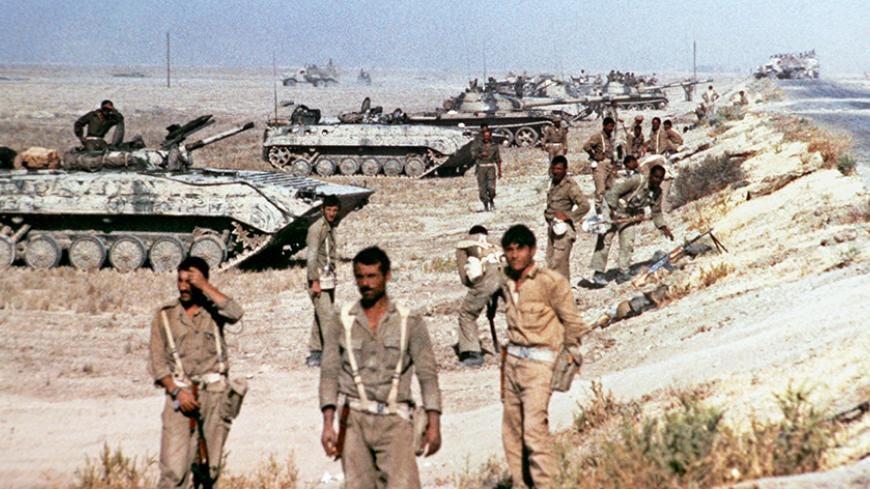
And then, in 1980, Iraq invaded. With American support. Saddam Hussein launched his attack eight months after the revolution, sensing an opportunity while Iran was in political chaos. The war lasted eight years and killed somewhere between 500,000 and a million people on both sides - the exact count depends on who you ask, but nobody actually knows. At various points during the conflict, the United States provided Saddam Hussein with satellite intelligence about Iranian troop positions, sold him military equipment, and - critically - looked the other way when he used chemical weapons against Iranian forces. Mustard gas, nerve agents. The Reagan administration, when asked about documented chemical weapons use, responded by blaming Iran. This too is documented. This too is in the declassified record.
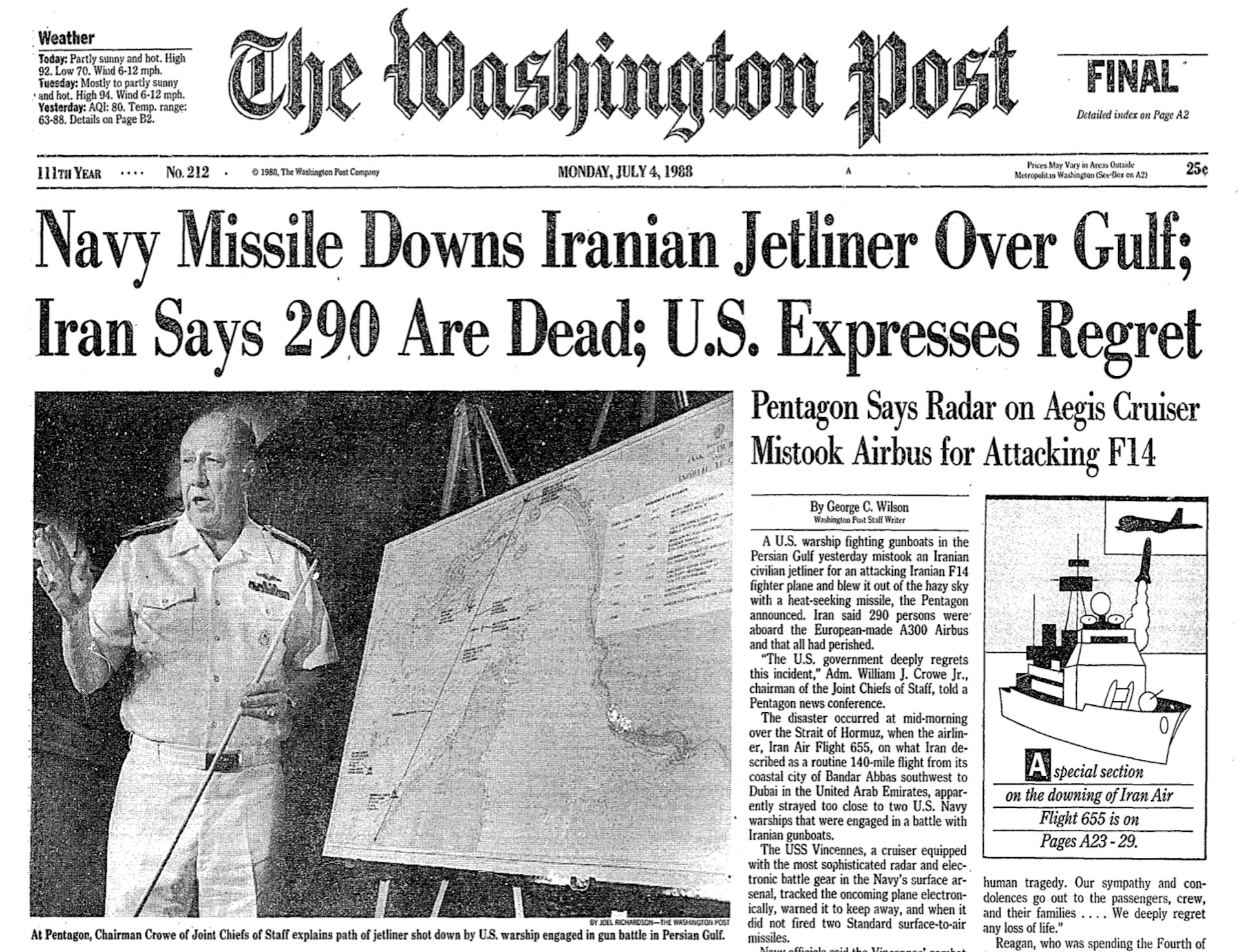
Think about that generational experience. You are an Iranian born in 1970. You grow up under the Shah’s CIA-backed secret police. You see the revolution. You survive the hostage crisis. Then your country is invaded, and you spend eight years watching young men die while the Americans arm your enemy. Your economy is wrecked. Your cities are bombed. And when the war ends in 1988, one of the final acts is the USS Vincennes shooting down Iran Air Flight 655 over the Persian Gulf - all 290 civilians on board killed, the US Navy apparently having confused an Airbus A300 with an F-14. The Reagan administration expressed “deep regret” but never apologised. The captain of the Vincennes was given a commendation medal. Then 35+ years of sanctions.
Understanding any of this is not excusing the Iranian government. It is understanding why Iranians - as a people - view Western intentions with something other than naive trust.
September 11, 2001
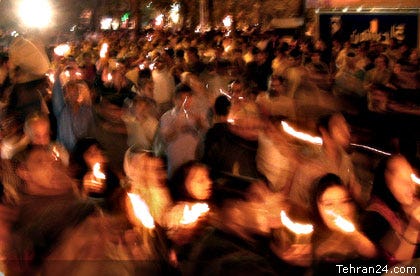
On the evening of September 11, 2001, hundreds of young Iranians spontaneously gathered in Tehran’s Madar Square with candles. They were crying. More followed the next night. By the end of the week, 3,000 people had gathered in a candlelit vigil for the American dead. At a national football match, 60,000 fans observed a minute of silence. The mayors of Tehran and Isfahan sent personal condolence letters to the people of New York. Iran’s elected president, Mohammad Khatami, expressed his “deep regret and sympathy”. Even Supreme Leader Khamenei - not exactly known for warming to America - condemned the attacks as “the massacre of defenseless people” and pointedly refused to call the United States an enemy.
A second vigil was attacked and dispersed by the Basij, the regime’s paramilitary enforcers. The regime’s hardliners didn’t want this happening. The people held it anyway.
Meanwhile, at the January 2002 Afghanistan Donors Conference, Iran pledged $540 million to rebuild Afghanistan - more than the United States itself committed. Iranian officials had been quietly cooperating with US intelligence on the Taliban since the attacks. Iran and the Taliban were enemies. They had a common interest. There was a real opening here for something different.
Then George W. Bush gave his State of the Union address in January 2002. Iran was “Axis of Evil”. Full stop. Lumped in with Iraq and North Korea. The Iranian officials who had been working with American counterparts on Afghanistan were reportedly stunned. The door slammed shut.
Fifteen of the nineteen 9/11 hijackers were Saudi nationals. Not Iranian. Not Iraqi. Saudi. The ideological framework that produced Al-Qaeda - Wahhabism, the austere and often violent strain of Sunni Islam exported by Saudi Arabia for decades through mosque-building and madrassa funding around the world - is not Iranian. It is not Shia. It is the state religion of Washington’s closest Gulf ally.
Iran, by contrast, was the country holding candlelight vigils.
Within months of those vigils, Iran was on the Axis of Evil. Saudi Arabia was receiving arms deals.
The Shia-Sunni distinction
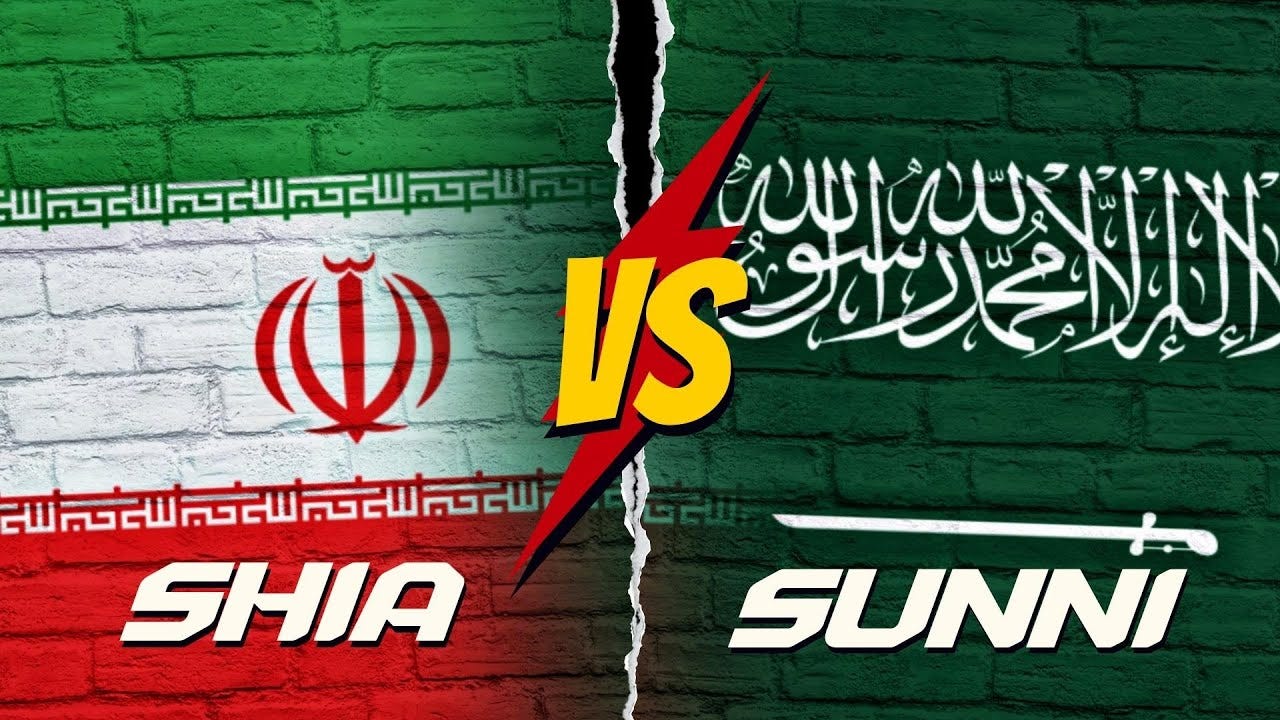
Most Western media coverage treats “Islamic terrorism” as a monolithic phenomenon with Iran at its centre. This is not just wrong. It is almost exactly backwards.
Al-Qaeda: Sunni, Salafi-Wahhabi. Taliban: Sunni, Deobandi. ISIS: Sunni, takfiri. The September 11 hijackers: Sunni. The London bombings, the Madrid bombings, the Brussels attacks, the Charlie Hebdo attack, the Nice truck attack - all carried out by people operating within a Sunni extremist ideological tradition that traces its financing and theological roots, in large part, to Saudi Arabia. This is not a conspiracy theory. This is the documented conclusion of multiple Western intelligence services, the 9/11 Commission’s own findings on Saudi government connections, and years of investigative journalism. The ideology that fuelled these attacks - the idea that Western civilians are legitimate targets, that apostasy should be punished by death, that a global caliphate should be established by force - has nothing to do with Iranian Shia theology. Nothing.
The distinction matters more than most people realise. Shia Islam, which accounts for roughly 10-15% of the world’s 1.8 billion Muslims, has a fundamentally different political and theological structure. The concept of the Hidden Imam, the tradition of scholarly interpretation, the historical experience of being the oppressed minority within Islam itself - these produce a very different relationship between faith and power than the Wahhabi project. Wahhabism, the doctrine exported from Saudi Arabia since the 1970s through billions of petrodollars of mosque-building and textbook-printing across the Muslim world, is explicitly expansionist, explicitly hostile to non-Muslims, and explicitly contemptuous of Shia Muslims as heretics. ISIS murdered Shia Muslims enthusiastically. They ran attacks on Iranian civilians. Iran was one of the primary countries that actually fought ISIS on the ground, alongside Kurdish forces and the Iraqi military.
Iran supports proxies. Hezbollah in Lebanon. The Houthis in Yemen. Various Shia militias in Iraq. These are real, and they cause real harm. Hezbollah has killed people. The Houthis have attacked commercial shipping and fired missiles at civilian targets. I am not defending any of this, and pretending these actions don’t exist would be dishonest. The Islamic Republic pursues a regional strategy based on expanding influence through armed non-state actors, and that strategy creates instability and suffering.
But the theological and organisational infrastructure that produced modern transnational Sunni jihadism - the kind that flies planes into buildings, blows up metro stations, drives trucks into Christmas markets - did not come from Tehran. It came from Riyadh. The distinction between these two things is not a footnote. It is the entire story.
And yet, when you look at the Western foreign policy posture toward the region, what you see is that Iran gets sanctioned, isolated, bombed; but Saudi Arabia gets billions in arms deals, invited to the White House, treated as the indispensable Gulf partner. The kingdom whose citizens carried out 9/11, whose government promoted the ideology that birthed ISIS, whose war in Yemen has produced one of the world’s worst humanitarian disasters - they’re the ally? The country that held vigils is the enemy…
I find this difficult to explain through any framework other than oil, geography, and money. If you have a better one, I’m listening.
Now who are these Iranian people?
Here is something that consistently surprises Western observers who actually go to Iran: ordinary Iranians are, by the polling data and by the accounts of everyone who has spent time there, remarkably pro-Western in their cultural orientation.
A 2020 survey found that only 32% of Iranians identified as Shia Muslim - the official state religion - while significant minorities identified as atheist, Zoroastrian (a revival of the pre-Islamic faith), and “spiritual”. That’s right: nearly a third of the population of the Islamic Republic apparently doesn’t consider itself particularly Islamic. Given that apostasy carries the death penalty and the survey was conducted anonymously online, the real numbers are probably more striking still. Some of those Zoroastrians attending ancient winter festivals would describe it as cultural reconnection to a pre-Islamic identity that the current government has suppressed. That’s not going away.
The country is overwhelmingly young. Somewhere around 60-70% of Iranians are under 35. They are online. They use VPNs - Iran has one of the highest VPN usage rates on earth, precisely because the government blocks most of the internet. They watch Western films, listen to Western music, and by all accounts are deeply aware of the contrast between their own constrained lives and what exists beyond the border. They are not a population that needs to be liberated from false consciousness about the West. They are a population that aspires to something better and is prevented by their own government from having it.
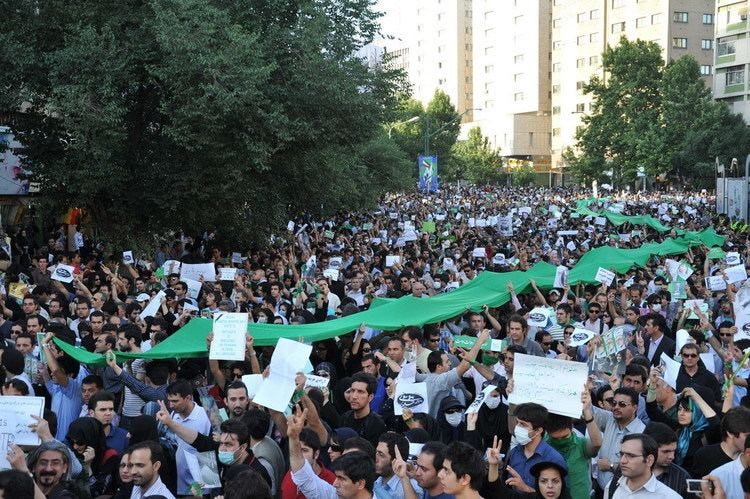
The Green Revolution in 2009 sent millions into the streets after a disputed presidential election. Chanting for reform. Beaten back by the Basij. Mir Hossein Mousavi, the opposition candidate, spent years under house arrest. The regime won - but the rage didn’t go away.
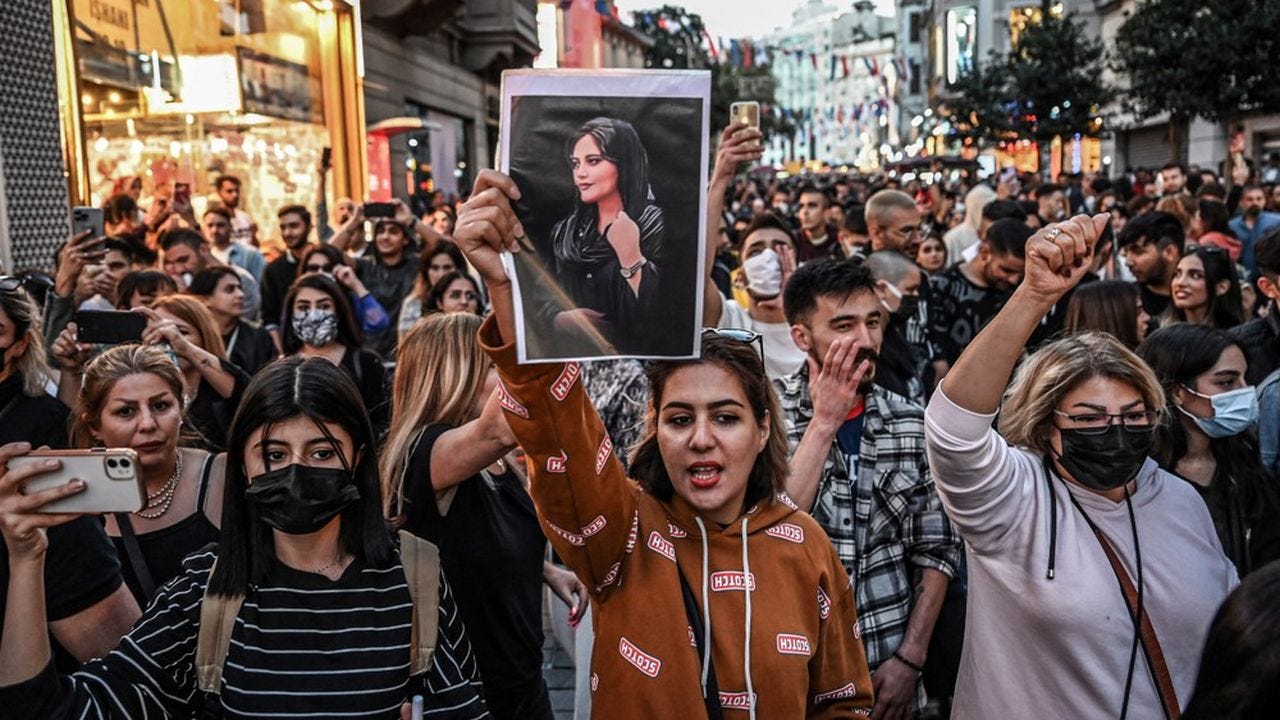
In 2022, a young Kurdish-Iranian woman named Mahsa Amini was arrested by the morality police for allegedly wearing her hijab incorrectly. She died in custody. What followed was the most significant uprising Iran had seen since 1979. “Woman, Life, Freedom” became the slogan - three words that cut directly against everything the regime represented. Women cut their hair in the streets. Students refused to chant mandatory slogans at universities. The protests ran for months. The regime killed over 500 people, arrested tens of thousands. It survived - but not without cost. The legitimacy deficit was visible in daylight.
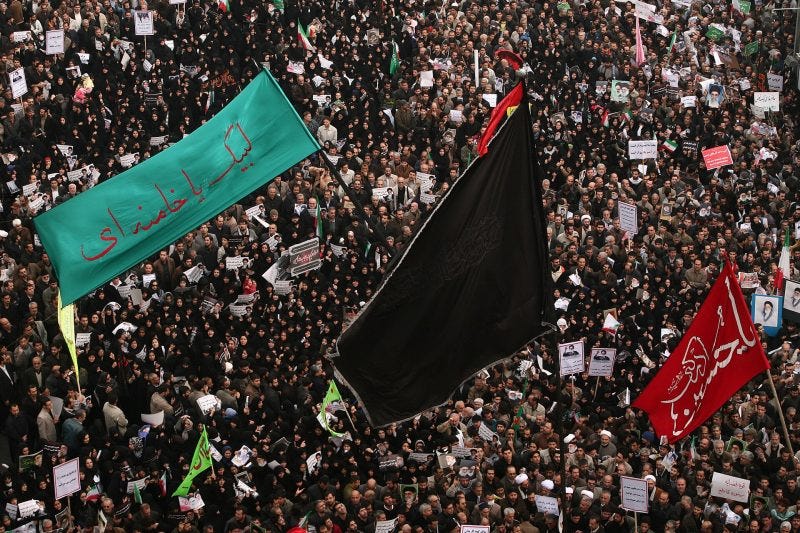
The current wave of protests, spreading to 174+ documented locations across the country, is driven largely by economic collapse. The stated purpose of Western sanctions has always been to pressure the regime to change its behaviour. The actual effect has been to strangle the population. Inflation running above 35%. The rial has lost more than 90% of its value over the past decade. Young people with degrees working in coffee shops if they’re lucky. The regime - which controls the IRGC, which runs substantial portions of the economy through a network of commercial interests and shell companies, which has access to hard currency through oil smuggling and sanctions evasion - absorbs the pressure better than the person trying to buy imported medicine.
And some Iranians - you can find this online, and it is both genuine and heartbreaking - are literally begging the United States not to cut a deal with their government but to support them, the people, instead. That is the level of desperation. That is what 70 years of this has produced. The same people whose parents held candles for American victims in 2001 are now asking America not to negotiate with the men who imprisoned them.
Religion hotpot
Iran is home to one of the oldest Jewish communities in the world. Iranian Jews trace their presence in the country back over 2,700 years, to the Achaemenid era, to Cyrus the Great, who freed them from Babylon. Today there are roughly 10,000-25,000 Jews remaining in Iran (estimates vary), concentrated in Tehran, Isfahan, and Shiraz. They have a reserved seat in parliament. They maintain synagogues. The regime’s rhetoric about Israel is genuinely horrifying, and I’m not going to pretend otherwise. But Iranian Jews are not Israeli Jews, and the community has largely chosen to stay, including the remarkable situation where the Jewish MP in parliament has explicitly stated that his nationality is not for sale.
Christians - Armenian and Assyrian communities in particular - also hold reserved parliamentary seats, as do Zoroastrians. Five seats out of 290, specifically guaranteed for religious minorities. The actual treatment of these communities is far from perfect: they face discrimination in employment, education cannot be conducted by their own community members in senior administrative roles, and conversion from Islam remains a capital crime. It is not a pluralist paradise.
But it is also not Saudi Arabia, where churches are illegal and the public practice of any religion other than Islam is prohibited. Worth noting who gets the arms deals.
Baha’is are the significant and dark exception - Iran’s largest non-Muslim minority, estimated at 300,000 people, is actively persecuted, excluded from higher education, and given no legal recognition whatsoever. The regime considers the Baha’i faith heretical. This is a genuine human rights catastrophe that deserves to be named plainly.
Resources
Iran has the world’s second-largest natural gas reserves and fourth-largest oil reserves. It has an educated workforce, a developed industrial base, and a population large enough to constitute a significant consumer market in its own right.
It also wants Western investment. This is not something I am speculating about or inferring from economic theory. Last week - specifically on February 15 - an Iranian diplomat told reporters that “common interests in oil and gas fields, joint fields, mining investments, and even aircraft purchases are included in the negotiations” with the United States. Iran’s foreign minister called it “a window of opportunity”. When the 2015 nuclear deal (JCPOA) briefly lifted sanctions, Western companies flooded in within months. TotalEnergies, European automakers, pharmaceutical companies, aviation firms. The demand was real on both sides.
Trump pulled out of that deal in 2018. Iran had been in full compliance. The IAEA had confirmed it multiple times. It didn’t matter. The deal was associated with Obama, and that was apparently sufficient reason.
But the structural problem that goes beyond any animosity between Trump and Obama is that American sanctions law means that even when a president signs a deal, American companies face continuing legal exposure until Congress explicitly acts to remove the sanctions architecture. Congress almost never does this quickly. An Iranian official sitting across the negotiating table in Geneva knows that even if they get a deal today, the next American election cycle could reverse it. They experienced exactly this in 2018. Why would they bet their entire economy on the consistency of American domestic politics?
This is not Iranian stubbornness. This is entirely rational risk assessment by a country that has been burned multiple times before.
So instead of a deal, what do we have this week? Two US aircraft carriers in the Gulf. The USS Abraham Lincoln, with nearly 80 aircraft, positioned about 700 kilometres off the Iranian coast. The White House press secretary saying there are “many reasons and arguments” for a strike on Iran. A February 18 analysis in Axios saying war now looks more likely than a deal. All of this, while Iranian diplomats in Geneva just said they would come back within two weeks with detailed proposals.
Last June, to put the timeline in perspective, Israel struck Iranian nuclear sites and the US joined with strikes on Natanz, Fordow, and Isfahan. Iran hasn’t spun a centrifuge since. Its nuclear programme has been silent. And it is still, apparently, on the verge of being struck again.
I keep coming back to my original question. Iran has the resources the West wants. Iran has explicitly, publicly offered to open those resources to Western investment and cooperation. Iran’s population is largely pro-Western in orientation. Dealing would achieve everything that bombing claims to pursue, without the part where you bomb a country of 90 million people.
I started this by saying I don’t know Iran well. I still don’t, not really. But after a week of digging, some things are clear to me.
The Islamic Republic is a repressive theocracy that tortures its own people, suppresses dissent, persecutes minorities including the Baha’is, and pursues regional policies that cause real harm. It is not a good government. Iranians, by a significant margin, appear to agree - which is why they keep taking to the streets at enormous personal risk. The government and the people are not the same thing. Treating them as interchangeable - whether through bombing or through sanctions that punish the population while the regime absorbs the blow - is not just strategically incoherent. It is a choice to make the Iranian people pay for their government’s behaviour, which is roughly what their government does to them anyway.
And simultaneously: the theocracy exists largely because of what the West did in 1953 and the 26 years that followed. Iran’s Shia political tradition is categorically different from the Sunni jihadist movements that have actually attacked Western civilians. And right now, in February 2026, with carriers in the Gulf and diplomats meeting in Geneva, Iran is on the table willing to discuss oil deals while the United States is publicly debating whether to bomb it.
I don’t know what the goal is. I genuinely don’t. Maybe regime change - though the track record of Western-engineered regime change in the region is, let’s say, not encouraging. Maybe it’s to keep Iran weak enough that it can never challenge the Saudi-Israeli axis the US has built in the Gulf. Maybe it's the Greater Israel project and Iran is simply the last serious military obstacle to that project. Maybe it’s domestic politics. Maybe it’s the defence industry. Maybe no one actually has a coherent strategy and the whole thing is just momentum and institutional inertia dressed up as policy.
What I do know is that Iranians in 2001 held candles for American dead. That their government got called Axis of Evil the day after. That they have been sanctioned into economic collapse. That their nuclear sites were “bombed” last year. And that this week, they came back to the table in Geneva and offered energy deals.
The Iranian people have been in the streets in 2009, 2022, and again this month. They want change. But on their own terms, in their own time - not delivered at the tip of an American missile.
I’m not making a moral argument for the Iranian government.
I am making a factual argument that the Iranian people deserve better.
From their own government, yes.
But also from ours.
Many thanks to Richard Seager, Fell Choice & Vut Siamwalla for their time and effort proofreading this piece.
Great post. We, through ignorance and foreign coercion, created the problems that have consumed Iran for half a century. I understand why they would be angry at us, but all of the Iranians I have met want the same things we do. A free and just society. Most of the Iranians I've met who came here prior to the revolution prefer to be called Persian. We have alienated a nation that should be our friend and ally. They share most of the values that we do. Our CIA in an attempt to fill the void the fall of the British empire left made us the bad guys. Most Iranians don't like their theocrasy any better than we do. They also have a secular government that would love to have us on their side. Not to dictate to them but to cooperate. They do insist on being able to defend themselves, reasonable since Israel and Saudi Arabia are determined to destroy them. They are willing to negotiate on the nuclear issue which is fair. Israel developed nuclear capabilities in secret. Stealing the needed technology mainly from us. Let them develop missiles, their adversaries certainly have them. Rather than let Bibi push Trump into a foolish and most likely disastrously expensive war. Let's negotiate a much needed ally in this volatile region.
This is a broadly correct and sympathetic overview of Iran, however in some areas it is still misinformed by western sensibilities.
"Mosaddegh was... Iran’s first and only democratically elected leader."
The tendency of too many westerners is to deny that a country is democratic if its political system does not exactly mirror those that we have in the West. This is a patronizing viewpoint at best, and worse it's often propaganda intended to de-legitimize the country. Here is the truth:
The Constitution of the Republic of Iran
"Article 6 - In the Islamic Republic of Iran, the affairs of the country must be administered on
the basis of public opinion expressed by the means of elections, including the
election of the President, the representatives of the Islamic Consultative Assembly,
and the members of councils, or by means of referenda in matters specified in other
articles of this Constitution."
EVERY leader of Iran since the Shah has been democratically elected, as have all the members of its legislature. Every four to five years, Iran holds new elections and they are hotly contested. This is common knowledge, or should be to anyone paying any attention. Iran is a democracy with Islamic characteristics.
And speaking of which, another accusation made against Iran is that it's laws are based in Islam, specifically the Koran. OMG, can you imagine people so primitive that they would arrange their laws in that way? However, if you step outside your western frame of mind for a moment, you will realize that 1) every country bases its laws on its cultural history, and 2) it doesn't matter what the basis for those laws might be. All that matters in law is that the people agree to be governed by them. Where the laws came from, whether from Moses coming down from the mount, a Philadelphia lawyer, or the Magna Carta is irrelevant. The people either accept the laws or they don't, and if they don't then that's it for your country. A new one will have to be built.
Iran has been demonized intensively by the US, Israel and their allies for fifty years. You can see what that's led to. The author of this article repeatedly apologizes for expressing facts about Iran that don't paint it in a bad light. The reality is that almost everyone in the west is poisoned by the propaganda against Iran. If you're not living there, writing the truth about the country is virtually impossible now.